Green Casa Commercial

Author name: bloombizcreatives

Is Toronto Expensive
Blog

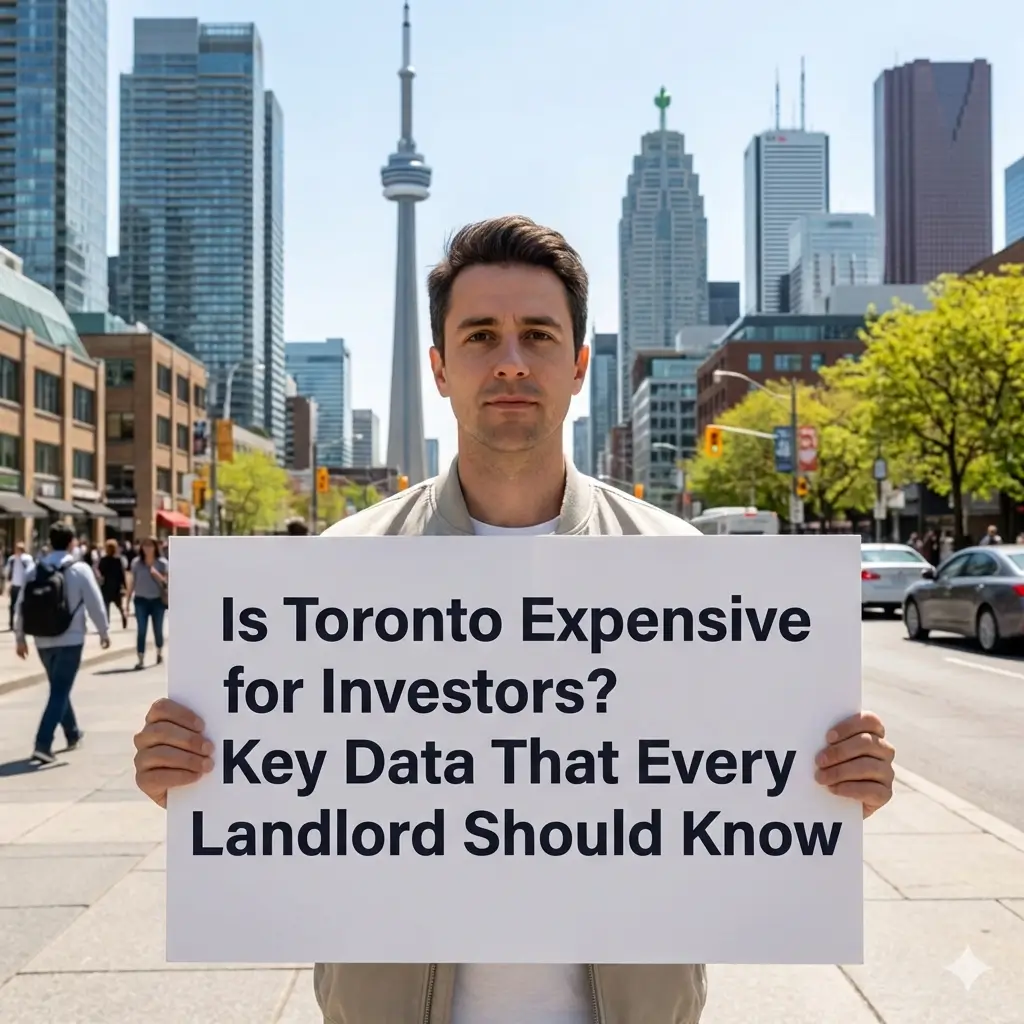
Is Toronto Expensive for Investors? Key Data That Every Landlord Should Know

Toronto, with its strong demand and limited housing supply, is among the highest in Canada in terms of cost of living. Is Toronto expensive? Yes, whether buying or renting, Toronto is quite expensive for residents and investors alike. Even for one- or two-bedroom units, the average rents are high. It takes a large share of household income to pay rent for an average Canadian family.  So, now you know investment in Toronto is a great option! This blog breaks down the key data every landlord should know before investing in the Toronto property market.    Property Investment Opportunities in Toronto Unaffordable homeownership costs make many residents prefer renting over buying, which drives the rental demand.  There is a consistent demand for well-managed rental properties.  Urban professionals and newcomers are relying heavily on rental housing. A steep rise in population growth and a limited available housing supply.  Increased demand for smaller units, such as condos and apartments, due to rising living expenses. Centrally located properties are becoming an attractive rental option as tenants prioritise location and convenience.  The high property purchase prices in Toronto push long-term residents towards leasing instead of owning.   Is Toronto Too Expensive for Property Investors? The housing expenses in Toronto are rising faster than income. Is it expensive to live in Toronto? Yes, Toronto is an expensive city in Canada. Whether for rentals or property purchases, affordability has been a central concern in Toronto’s market. The high monthly rental rates strongly reflect the strong demand and limited supply. The housing costs take up a huge portion of income, and many residents spend beyond the recommended share on rent or mortgage payments.   Though Toronto offers excellent investment opportunities for investors, we recommend careful research on the prospects. The high cost means investors must carefully analyse rental yields versus purchase costs and ongoing expenses.  Breaking Down the Cost of Living in Toronto Expenses for renters in Toronto, Canada. Here is some concise information on the cost of living in Toronto. Is Toronto expensive? Let’s break it down. Expense Facilities Cost/month Housing Cost One-bedroom apartment Approx. $2262  Two-bedroom apartment Approx. $2762 Transportation Expenses Public transit (TTC) costs Approx. $156 Owning a car Approx. $552 Miscellaneous 1-Bed appartment $200 2-bed apartment $300 Food & Daily Living Costs Groceries Approx. $300-$500 Dining Out Approx. $80-$120 Estimated Annual Income Required Single renter Approx. $70,000-$85,000 Couple renting a two-bedroom Approx. $120,000-$140,000 Is Toronto expensive for investors? Action Facility Cost Buying a home One-bedroom condos $750,000 to $900,000 Two-bedroom condos $950,000 and $1.2 M Single-family homes $1.2 M to $2 M Why is Toronto so Expensive?  Many factors are involved when you look into “Why is Toronto so expensive?” This is something well looked into.  High Housing Demand: The persistent housing shortage is due to rapid population growth and immigration. Everything is pushing property rental and pricing upward.  Economic Opportunities: Toronto attracts high-income professionals by being a financial and business hub in Canada, which intensifies the demand for rental housing.   Population Growth: As an attractive destination for Canada’s new immigrants and international students, Toronto has a huge housing demand for all property types.  Rising Basic Living Expenses: The development costs are passed to renters and buyers. The reason why development costs rise is due to increased labour costs, material prices and regulatory expenses.  High Property Taxes: The property taxes, insurance premiums, and maintenance costs all influence rental pricing.  Living & Transportation Costs: Even though public transit is available, commuting, parking and vehicle ownership remain expensive, which further increases expenditure.  Global City Status: The cultural diversity, safety, education, healthcare and lifestyle amenities make Toronto a global city, which raises its attractiveness and overall living costs.  Investor Interest: Toronto real estate is a stable long-term asset. Both domestic and international investors are attracted to it, which raises the competition and price appreciation.   Green Casa: Your Reliable Property Management Company Toronto offers excellent investment opportunities for potential investors. However, careful analysis is needed before taking action. We recommend consulting a property management company to get detailed insights on investment prospects. Green Casa is the best property management company in Calgary that handles everything from tenant screening and lease management to maintenance coordination and rent collection. Even if you are a first-time landowner with properties for rentals, no worries. We are here for you to handle the hassles of property management. Toronto is calling you with potential investment opportunities. Green Casa ensures you enjoy passive income while we do all the hard work.    Conclusion Is Toronto expensive? Yes, even though it is expensive, it is very rewarding for investors who want to enjoy passive income through property ownership. Property ownership comes with its own hassles, stress, and time investment. You can effectively tackle this by partnering with a property management company like Green Casa. For sustainable returns, careful evaluation of purchase price, rental income, and ongoing expenses is essential. Expert guidance can transform Toronto’s expensive market into a stable and rewarding investment opportunity for you.   Ready to Simplify Property Ownership? Partner with Green Casa, Your Trusted Property Ownership Company, to manage the hassles of ownership.      Frequently Asked Questions Is Toronto expensive for investors? Yes, Toronto has high rental demand and is an attractive destination for well-planned investments. Why is Toronto expensive compared to other Canadian cities? The rapid population growth, limited housing supply, economic opportunities and strong investor interest drive Toronto’s high living and rising costs.  How much income is needed to live comfortably in Toronto? If you are a single renter, you typically need $70,000–$85,000 annually. On the other hand, couples renting two-bedroom units need around $120,000–$140,000.  What property types are most in demand for investors? Condos, apartments and centrally located units attract tenants due to various reasons, such as professional needs, affordability and convenience. Is Toronto real estate a stable long-term investment? Yes, the population growth, economic strength and ongoing housing demand make Toronto a stable market for long-term investment in real estate. Yes, Toronto has high rental demand and is an attractive destination for well-planned

Buying vs Renting
Blog

Buying vs Renting in Calgary: What First-Time Homebuyers Must Consider

When you relocate to a new place, the biggest decision you face is buying vs renting! Confused between renting and owning? While buying promises stability and long-term value, renting offers convenience and reduced responsibility. Buying is a long-term financial decision. Your significant investment requires careful decision-making.  The growing population in Calgary and the changing real estate landscape attract first-time homebuyers. Green Casa is the best property management company in Calgary, offering hassle-free ownership.  This blog explores buying a house vs renting a house! At the end, you will know what suits you better.   Understanding the Calgary Housing Market The job opportunities and affordability of Calgary, compared to those of major Canadian cities, attract migration to the city. Looking for the pros and cons of buying vs. renting? Here it is. Calgary offers a high quality of life, and steady population growth increases housing demand.  There is also a strong demand for rentals in Calgary.       Buying a House vs Renting a House: Key Difference Confused about what to choose—buying vs renting? If you are looking for full ownership and long-term equity, buying is a good option. On the other hand, if you want temporary use, you can rent. Though it won’t aid in asset creation, you can live in the rental as per what is stated in the lease agreement.  When you consider financial commitment, you need to pay a significant upfront investment for ownership. While renting comes with lower initial costs.  Any maintenance that occurs, owners need to handle it alone, while renters have full support of the property managers.  You have all the freedom to customize the property you own. But for renters, there are many restrictions. So, with all these factors, renting a house may be better than buying for you.      Is It Better to Rent a House or Buy? Renting a house or buying a house depends on your financial capability, long-term needs, and many other factors. For buying, you have to have a down payment and closing costs ready. It is a huge upfront cost when compared to renting. Let’s check the benefits of buying a house vs renting.  Benefits of Owning a House vs. Renting Also, Read: Benefits of Property Management in Calgary Every Landlord Should Know Renting a House Is Better Than Buying: How Does It Make Sense? Lower Upfront Costs: Renting a property is a more flexible option, as it doesn’t come with a down payment, property tax, or closing costs. Greater Financial Flexibility: Ownership comes with a huge financial burden. With renting, you can use your money for savings, investments, or emergencies rather than being locked into property.  No Maintenance Expenses: Maintenance is a reason for unexpected expenses. In the case of rental, your landlord or property manager handles all the repairs, renovations, and major maintenance.  Freedom to Relocate: Being a tenant means you can easily adapt to career changes, lifestyle needs, or better opportunities by vacating the property.  Protection from Market Risks: Property value fluctuations or market downturns—renters can get complete protection from all kinds of market risks.   Predictable Short-Term Costs: Monthly rent is a predictable, fixed short-term cost you need to pay during the lease period. You won’t be affected by any surprise repairs or appliance replacements.  No Property Taxes: Renters don’t need to bear the tax or insurance. All these costs are covered by the property owner, which reduces your financial responsibilities.  How the best Property Management Company in Calgary Can Help You Whether you are looking for rentals or want tenants in your property, Green Casa is here for you. As the best property management company in Calgary, Green Casa ensures you have a hassle-free and comfortable stay in your rental property. If you are a first-time homebuyer and want to rent your property, we are here for you with the right support. How can Green Casa help you? Let’s find out how we contribute to a stress-free ownership.  Conclusion Buying vs renting is influenced by finances, lifestyle goals, and long-term plans. If your intention is to settle in Calgary, buying is your best option. On the other hand, for a temporary stay plan, renting is perfect. Buying offers stability and long-term wealth creation, while renting offers lower upfront costs and fewer responsibilities. Understanding the purpose of buying a house vs renting a house helps you make informed decisions.  Planning to relocate to Calgary? Connect with Green Casa for expert property management solutions tailored to tenants and landlords.  FAQs

property renting in calgary
Blog

Everything Tenants Should Know About Renting in Calgary

Everything Tenants Should Know About Property Renting in Calgary Property renting in Calgary can be exciting, but without careful attention to key details, it can become challenging. You may have concerns about paperwork, legal terms, responsibilities, and finding a secure, affordable rental. What about hidden clauses in your lease, unexpected rent increases, or deposit disputes? To avoid these issues, expert guidance from a tenant-focused property management company is essential. At Green Casa, we assist you in reviewing your rental agreement and ensure you fully understand the process. Our mission is to help tenants navigate common pitfalls and make the renting experience in Calgary stress-free. CONTACT US Understanding Tenant Rights in Calgary Tenants have legal protection, and the main law that governs landlord-tenant relationships in Alberta is the Residential Tenancies Act (RTA), which outlines the rights and obligations of tenants. Let’s find out what legal protections tenants have under the law: Security Deposit Limits: Landlords can collect a damage deposit of up to one month’s rent. It must be returned with interest after the lease ends. May subtract allowable deductions from the amount. Rent Increase Rules: Before any rent increase, it is a must to provide a proper notice in case of a periodic lease. As for fixed-term leases, landlords can’t raise rent during the term. Right to Privacy: Except in emergencies, if a landlord wants to enter their tenant-occupied rental unit, they must provide at least 24 hours’ written notice. Maintenance and Repairs: Keeping the rental properties in Calgary safe, habitable, and properly maintained is the legal responsibility of landlords. Tenant Responsibilities: As a tenant, you must pay rent on time. It is your responsibility to keep the property reasonably clean and avoid causing damage. Eviction Protections: Tenants cannot be evicted without proper cause. Landlords must follow legal procedures and should provide a valid notice in case of eviction. How to Find the Right Rental Property in Calgary Here is a simple guide for you to make use of when you are searching for or viewing Calgary apartment rentals: Set Your Budget First: Keep in mind your utilities, parking, and internet. Now, decide on the rent you can afford. Choose the Right Location: Consider the proximity to work, schools, the city, and more. Use Reliable Platforms: Use trusted websites to search for reliable and affordable rentals in Calgary. Check Rental Listing Carefully: Look for red flags. Try not to fall for scams. Schedule Viewings: Before signing the lease, make sure you properly check the property and are satisfied with its cleanliness, safety, and condition. Ask the Right Questions: Clarify your concerns, including rent details, utilities included, lease terms, parking, pet policies, and maintenance responsibilities. Compare Multiple Options: Make sure you visit several properties to understand the Calgary housing market rental rates. Pick the best fit. Verify Not to Fall For Fraud: Ensure you are dealing with the rightful owner or any established and licensed property management in Calgary to avoid fraud. The Lease Agreement: Key Details to Review Before Signing Lease Type & Duration: Note the start or end dates of the lease. Understand the difference between a fixed-term lease and a periodic lease. Rent Amount & Due Date: Check the monthly rent, due date, late fees, and accepted payment methods. Security Deposit: Make sure the deposit amount is within the limit and the rules for its return are clearly stated. Utilities & Additional Costs: For utilities such as heat, water, electricity, and internet, clarify which are included and for which you must pay separately. Rules & Restrictions: Check for policies on pets, smoking, and usage of common areas. Termination & Renewal Terms: Understand the lease terms. Check if it renews automatically. Confirm how much advance notice is legally required to leave. Landlord’s Right of Entry: Ensure it follows the law as per the tenant’s right to privacy. Renting with Confidence: Tips and Best Practices for Tenants Know your budget. Understand your rights and responsibilities. Document everything; keep copies of all agreements. Have clear communication with your landlord; keep records of conversations. Get renters insurance to protect yourself financially. Stay organized on payments, deadlines, and notices. Do a double-check when sending money. Plan well in case of moving out. Moving In and Moving Out: What Tenants Need to Know Move In: Essential Steps for Tenants Conduct a move-in inspection, walk through with your landlord, and note any existing damage or issues in writing. Document the property condition by taking dated photos or videos of walls, floors, appliances, and fixtures. Confirm utilities such as heat, water, electricity, or internet are set up in your name if required. Get copies of documents. Keep a signed lease, receipts for deposits/rent, and the inspection report. Moving Out: Essential Steps for Tenants Provide proper written notice to your landlord within the required time. Deep clean the unit to maximize deposit return. Repair tenant damage before handing over the keys. Do a move-out inspection with the landlord, return the keys, and ask for your damage deposit return in writing. Handling Common Issues During a Lease Keep records in case of maintenance delays. You can escalate the matter to the Residential Tenancy Dispute Resolution Service (RTDRS) if unresolved. Communicate with your landlord regarding payment problems and explore payment arrangements. In case of neighbour conflicts, involve the landlords or property manager if unresolved. Know your right to privacy; landlords must give 24 hours’ written notice to visit the rental unit. Of course, emergencies are exceptions. When dealing with disagreements about the lease, seek mediation or RTDRS help in case of disputes. During unexpected life changes, you might need to break a lease. Discuss options like subletting or lease assignment legally with the landlord’s consent. Why Choose Green Casa for Your Rental Property Needs in Calgary Green Casa offers the best property management in Calgary, making the renting process hassle-free for both landlord and tenant. We oversee a wide variety of rental units across Calgary. According to your budget, lifestyle, and family needs, you can opt for our

Scroll to Top