

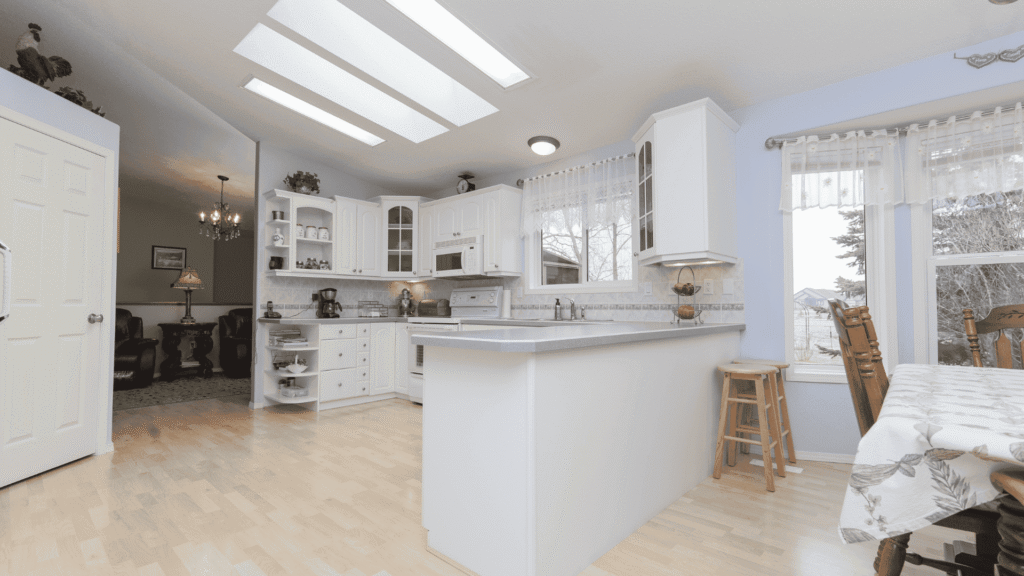
Most homebuyers avoid properties that need major repairs. But investors see an opportunity. In Edmonton, older multi-family buildings with outdated kitchens, worn flooring, and low rents can become valuable investments with the right renovation strategy. These renovations in Edmonton can attract tenants, increase rental income, and improve the property’s long-term value.
The key is to choose the right property, plan renovation costs, and understand the local rental market. Working with a reliable rental management company can also help investors prepare renovated units for tenants and manage rental operations. Let’s explore how heavy renovations can turn neglected buildings into attractive rental investments.
What Qualifies as a Heavy Reno in Multi-Family?
We’re not talking about a fresh coat of paint or replacing a few old fixtures. Heavy renovations involve major upgrades that improve the condition, functionality, and rental appeal of a multi-family property.
A typical heavy unit renovation may include:
- Full kitchen replacements
- Bathroom gut jobs
- Flooring throughout
- Plumbing/electrical upgrades
- Common area refresh
- Exterior and curb appeal
Some projects may also involve layout changes or legalizing suites, depending on the building and local requirements.
Heavy renovations require careful planning, budgeting, and the right team to turn outdated units into attractive rental spaces while protecting the investment.
The Investor’s Playbook: Buy, Renovate, Refinance, Hold
The BRRRR strategy (Buy, Rehab, Rent, Refinance, Repeat) can also be applied to multi-family properties. The goal is to improve the building, increase rental income, and build long-term equity through planned renovations.
Here’s how the process works:
- Buy Below Market – Target mismanaged or tired buildings with poor curb appeal and below-market rents.
- Renovate Units – Upgrade with a focus on durability, appeal, and rent growth.
- Raise Rents – Once units are complete, lease at new market rates.
- Refinance – Reappraise the building at its new value and pull out capital.
- Hold – Enjoy increased cash flow and long-term appreciation.
A successful strategy depends on careful budgeting, realistic rental estimates, and effective property management throughout the process.
Let’s Run the Numbers: 24-Unit Example

Let’s see how heavy renovations can increase rental income and improve the value of a multi-family property.
- Purchase price: $3.4M
- Avg. current rent: $875
- Post-reno rent target: $1,300
- Monthly increase: $425 x 24 = $10,200
- Annual rent gain: $122,400
- At a 5.5% cap rate: $122,400 ÷ 0.055 = $2.22M in new value created
With a renovation budget of $720,000 ($30,000 per unit), the project could offer significant value-add potential. However, actual returns depend on operating expenses, vacancies, and other project costs.
Careful budgeting and realistic rental estimates are essential to understanding the investment’s true profitability.
But Don’t Ignore the Challenges
Heavy renovation projects can offer great opportunities, but they also come with risks that investors need to plan for.
Some common challenges include:
- Contractor delays and cost overruns
- Tenant resistance (if the building is partially occupied)
- Cash flow dips while units are offline
- Permitting delays (depending on the scope)
- Bank skepticism without a solid plan
Before purchasing a property, prepare a detailed renovation budget, realistic timeline, and contingency fund to manage unexpected costs and delays.
Your Team Makes or Breaks the Deal
A successful heavy renovation project in Edmonton requires the right professionals to keep the work on track and protect your investment.
-
Experienced Realtor: Helps identify undervalued properties with renovation potential.
-
Qualified Contractor: Manages major renovations and understands multi-family building requirements.
-
Reliable Lender: Understands renovation financing and refinancing options.
-
Property Management Team: Helps with tenant placement, leasing, and rental operations after renovations.
GreenCasa works with value-add investors to support their rental property goals, from pre-purchase planning to post-renovation leasing. Having the right team in place helps turn renovation plans into well-managed rental properties.
Final Thoughts: You’re Not Buying a Building, You’re Building Wealth
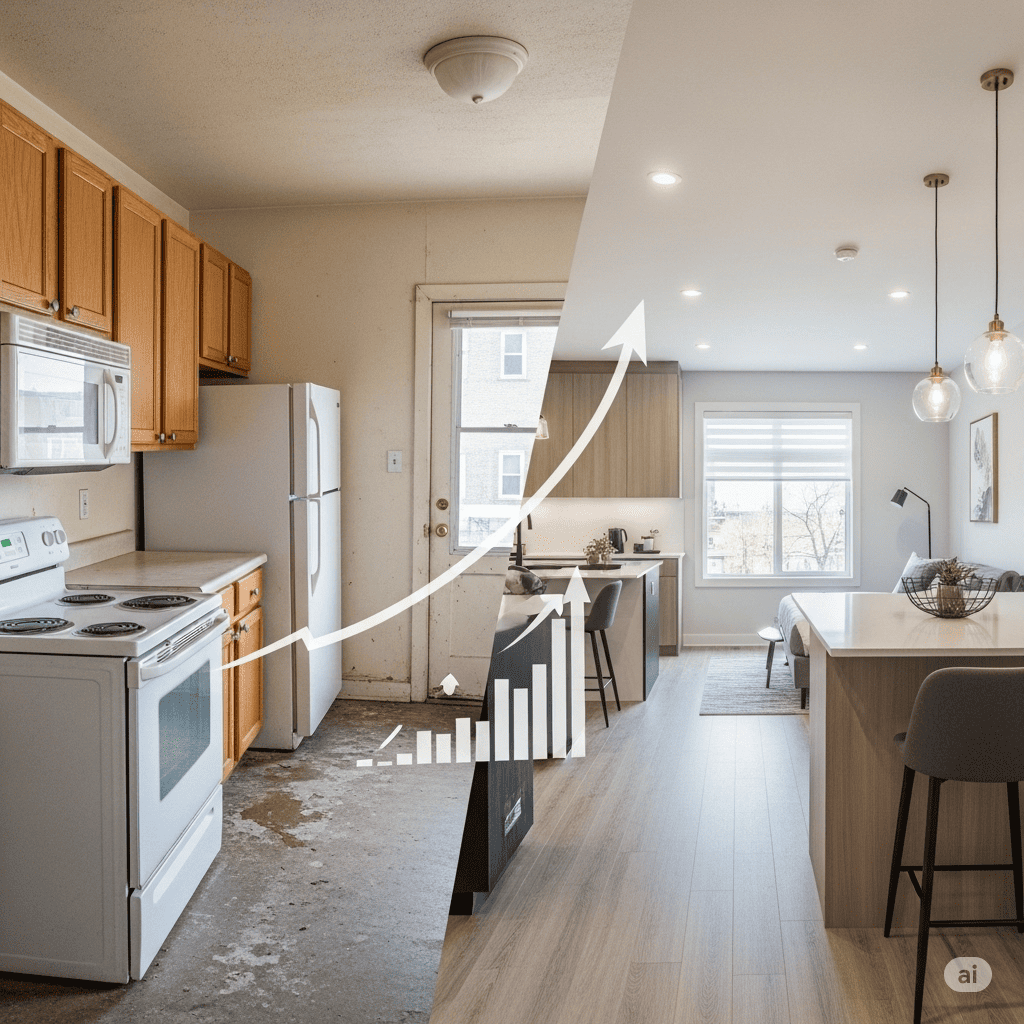
Heavy renovations are not for every investor, but with the right planning and budget, they can create valuable opportunities in Edmonton’s multi-family real estate market. Upgrading outdated units can attract tenants, increase rental income, and improve long-term property value.
Before investing, carefully evaluate renovation costs, rental potential, and ongoing management needs. Reliable property management services can help investors manage rental operations and maintain their properties. Sometimes, a building that needs work today can become a valuable long-term investment tomorrow.
Frequently Asked Questions (FAQs)
A heavy renovation involves major upgrades to apartment units, including kitchens, bathrooms, flooring, plumbing, electrical systems, and common areas.
Heavy renovations can offer good investment opportunities when the property is purchased at the right price and renovation costs are balanced against potential rental income and property value.
The cost depends on the unit's condition, renovation scope, materials, labour, and required repairs. Investors should prepare a detailed budget and contingency fund before starting.
Upgraded units can attract more tenants and support higher rents when the improvements match local rental demand and market conditions.
Property management helps investors handle tenant screening, rent collection, maintenance, and leasing, keeping the renovated property attractive and well-maintained.

Hafil Perincheeri
Co-Founder & Director
Hafil Perincheeri is an engineer-turned-realtor, investor, and builder based in Calgary, Canada. As Co-Founder and Director of Greencasa, he specializes in home flips, property development, and investment strategies. Since 2019, he has guided clients in home buying, multifamily investing, and financing options like CMHC and MLI Select, ensuring transparent, informed decisions.