

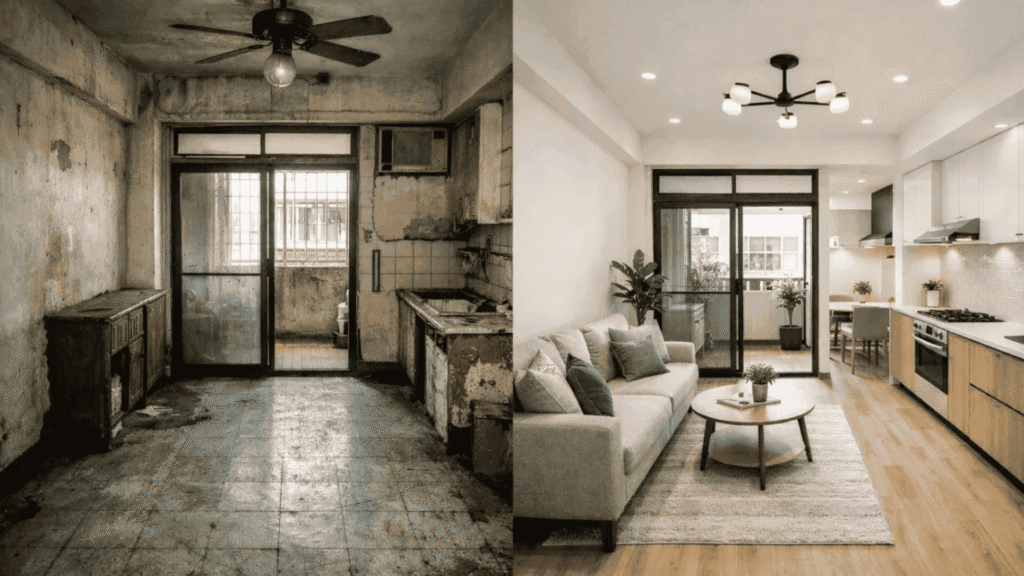
Walk into an apartment building in Edmonton’s McCauley or Central McDougall and you might see kitchens that look like they’re from the 1980s floors that need replacing windows that leak and hallways that look neglected. For some people that’s enough to turn.. For experienced investors those same problems can be signs of a good deal.
This is the idea behind value-add investing. By buying a building that’s already in great shape investors buy properties that are in poor condition and fix them up. The goal is to make the building more attractive to tenants and earn rent. If done right, renovations in Edmonton can turn a struggling apartment building into a profitable rental property. The key is picking the improvements and making sure the numbers add up before breaking ground.
What Is Heavy Value-Add Investing?
Value-add investing means buying a property that needs major work and upgrading it to increase its rental value. This isn’t just painting walls or replacing fixtures. It’s a full-scale overhaul that can affect every part of the building. From units to shared spaces and even the plumbing and electrical systems.
Common improvements include:
- Unit renovations: New flooring, updated kitchen cabinets, modern appliances and fresh bathroom fixtures.
- Plumbing and electrical upgrades: Fixing old or unsafe wiring and pipes.
- Exterior improvements: Replacing roofs, installing new windows and updating the outside look of the building.
- Area upgrades: Renovating hallways, entryways, laundry rooms and other shared spaces.
- Layout improvements: Reconfiguring rooms or spaces if it makes sense and is allowed by building codes.
An older building often struggles to attract tenants because it looks outdated or feels poorly maintained. Renovations can change that. A refreshed building can draw in renters and even support higher rents.. Before starting investors need to think about purchase price, renovation costs, local rental demand and ongoing expenses.
Where’s the Money Made?
The return on this kind of investment comes from boosting the building’s income. Here’s a simple example.
- Imagine an investor buys a 16-unit apartment building in Edmonton. Now each unit rents for
- $850 a month but the place needs serious work.
- The investor plans to spend $25,000 per unit. That’s $400,000 total. To renovate everything. After the work they expect to rent each unit for $1,200 a month.
- So the potential increase in rent per unit is $350. For 16 units that’s $5,600 per month. Or $67,200 more per year in gross rental income.
- That sounds great. It’s not profitable yet. The investor still has to pay for things like vacancies, maintenance, property management, insurance, utilities and loan payments.
If the renovations actually lead to net income. Meaning the building makes more money after all costs. Then the property’s market value may go up too. That’s the win. It all depends on staying on budget, hitting rental targets and keeping the market stable. That’s why you can’t just guess. You have to run the numbers before you start tearing down walls.
Why This Strategy Can Work in Edmonton

Edmonton has plenty of apartment buildings that could use a refresh. Some need kitchens, some need better common areas and others just need to feel more modern to compete with newer rentals.
The opportunity isn’t everywhere. It depends on the property. Where it’s located. Areas like McCauley and Central McDougall have their rental trends so investors should look at similar buildings and figure out what local renters want before buying.
A few things to think about:
- Apartment buildings: Units that are outdated often have room to improve.
- Rental demand: Clean well-maintained homes are more appealing to tenants.
- Purchase price: The building must be cheap enough to leave room for renovations and other costs.
- Location: Being close to transit, stores, services and jobs helps attract renters.
- Term operating costs: Ongoing maintenance and management affect the bottom line.
Successful Renovations in Edmonton aren’t about making a building look better. Investors need to know the market, set a real budget and pick upgrades that make sense for the building and its future tenants.
The Risks You Can’t Ignore
Value-add investing can be rewarding. But it’s not without risk. Older buildings often have hidden problems that don’t show up until you start renovating. If costs or timelines go over the expected profit can disappear fast.
Some common issues:
- Vacancy loss: Units might be empty while work is happening, cutting income.
- Unexpected repairs: Old pipes, mold or wiring problems can add big costs.
- Permit delays: Getting approvals and inspections can cause delays.
- Budget overruns: Labor and materials can cost more than planned.
- Tenant-related challenges: Renovating a building with people living in it needs careful planning and communication.
- Financing limitations: Some lenders don’t like properties needing major work.
Before buying, investors should get an inspection, get detailed cost estimates and save extra money for surprises. They should also understand building rules and plan how the renovation will affect tenants.
Heavy value-add investing isn’t about avoiding problems. It’s about seeing them coming, preparing for them and staying realistic about what the project can make.
The Key to Success: The Right Team
The best property can fail if the people involved aren’t the right fit. Renovations need coordination between builders, real estate pros and property managers who know properties.
A good team might include:
- A general contractor who can manage the work sticks to the schedule and keeps costs under control.
- A practical designer who knows what improvements will appeal to local renters and fit the budget.
- An experienced property manager who handles tenant needs, maintenance, rent collection and daily operations.
- A knowledgeable real estate broker who can help find deals, compare rents and understand the local market.
Each person has a job but they must work together. For example the renovations should match what renters in the area want. The expected rent must cover the investment.
Once the work is done property management becomes more important. A strong team can keep the building running, respond to tenant issues, collect rent on time and control operating costs. Investors looking at Edmonton properties should pick a manager who knows the market. Experience in Calgary property management shows how important steady maintenance, good communication and long-term planning are.
Final Thought: The Best Deals Don’t Come Polished
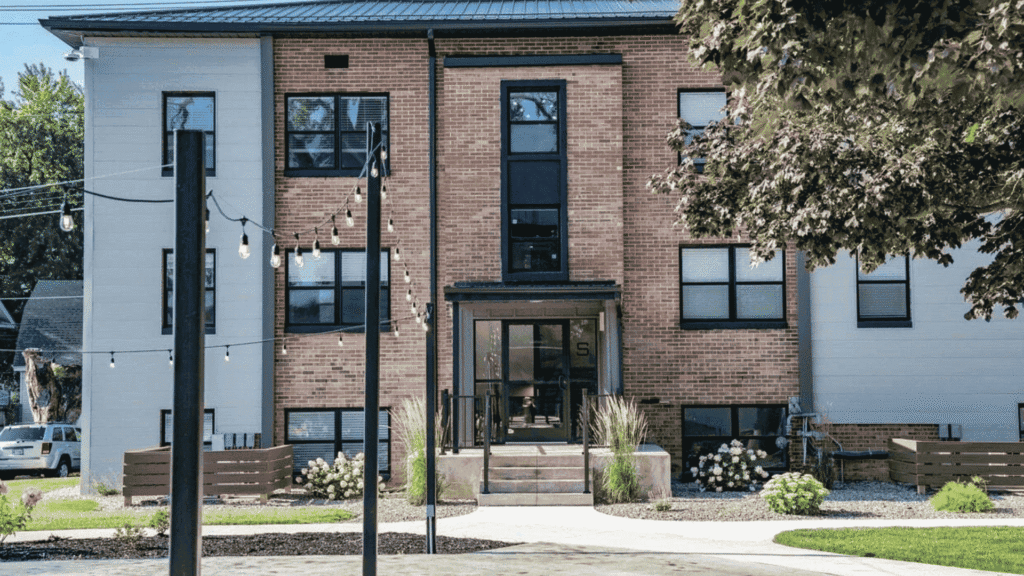
The best renovation opportunities don’t always look impressive at first. An old building with floors, outdated kitchens and tired hallways might need a lot of work to compete with newer rentals.
The real value isn’t in the renovation itself. It’s in buying the property at the price choosing upgrades wisely controlling costs and understanding what local renters want. Renovations in Edmonton can help investors improve a building’s appeal and long-term value. As long as the numbers make sense.
Heavy value-add investing takes time, planning and a solid team. With a budget and a clear plan a worn-down building can become a more attractive rental and a stronger long-term investment.
Frequently Asked Questions (FAQs)
Renovations in Edmonton can help improve the condition of older investment properties, make apartments more attractive to tenants, and potentially increase rental income and property value.
Heavy value-add investing involves purchasing properties that need significant repairs or upgrades, renovating them, and improving their potential rental performance.
Kitchen and bathroom upgrades, new flooring, updated windows, improved common areas, and essential plumbing or electrical repairs can make an apartment more appealing to prospective tenants.
The cost depends on the property's size, age, condition, renovation scope, labour, and materials. Investors should obtain detailed estimates and keep a contingency budget for unexpected repairs.
Yes, renovations may increase a rental property's value when they improve its rental income or market appeal. However, the result depends on renovation costs, operating expenses, rental demand, and local market conditions.

Hafil Perincheeri
Co-Founder & Director
Hafil Perincheeri is an engineer-turned-realtor, investor, and builder based in Calgary, Canada. As Co-Founder and Director of Greencasa, he specializes in home flips, property development, and investment strategies. Since 2019, he has guided clients in home buying, multifamily investing, and financing options like CMHC and MLI Select, ensuring transparent, informed decisions.