

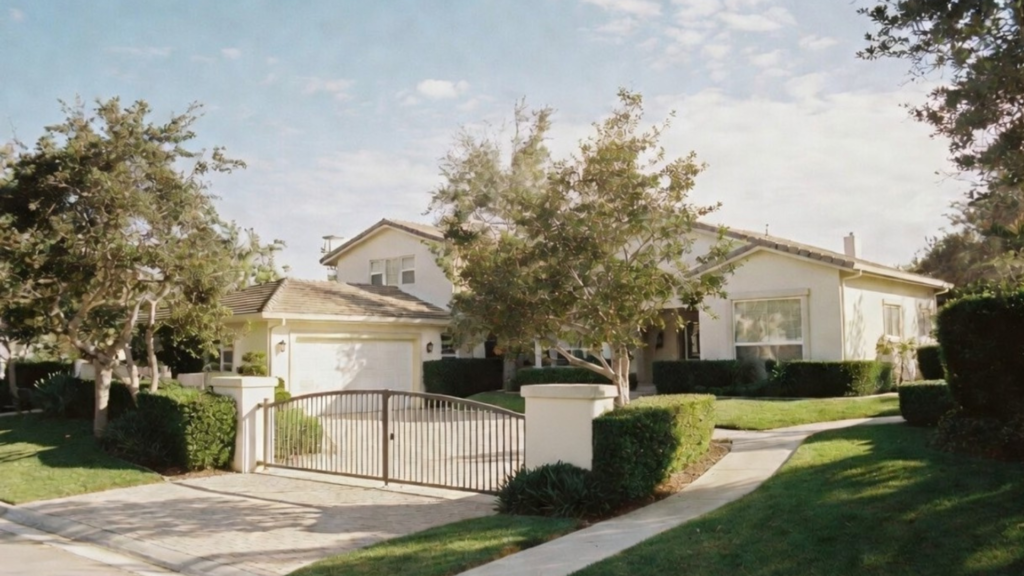
You have found a beautiful townhouse in a friendly Calgary community. The kitchen is renovated, the yard is sunny, and the neighbors seem lovely. Then you see the monthly homeowners association fees. Your heart skips a beat. Are these fees reasonable? What do they actually pay for?
Green Casa helps buyers answer these questions every week. Let me explain what HOA fees really mean so you can bid with confidence. We will uncover what makes a healthy HOA and when to walk away.
HOA Fees Meaning: More Than Just a Monthly Bill
Many first-time buyers see HOA fees as just another expense, like internet or streaming services. But that view overlooks the bigger picture. The true meaning of HOA fees is a shared financial responsibility for a shared environment. When you pay, you are buying predictability. Instead of worrying if the roof will leak next winter, you know the HOA has a plan and a fund.
Instead of arguing with your neighbor about who will shovel the shared walkway, the property management company takes care of it. Instead of saving $10,000 for a surprise parking lot repaving, you pay a small monthly amount. HOA fees turn unpredictable large costs into manageable small ones. That is smart, not wasteful.
What Influences How Much Are HOA Fees?
You might wonder why two identical condos have very different HOA fees. Several factors explain the difference. Location is important. Property taxes on common land and utility rates vary across Calgary. The age of the building matters too.
Older structures require more maintenance. Amenities also play a big role. A building with an indoor pool, sauna, and concierge will have much higher fees than a small walk-up with no elevator. Insurance costs are also a factor.
Buildings in flood zones or with past claims face higher insurance premiums, which get added to your dues. Finally, the quality of the property management company is important. A professional firm like Green Casa can save owners money through better vendor contracts and fewer emergencies.
What Do HOA Fees Include When You Own a Townhouse vs a Condo
Let me clarify a common source of confusion. What HOA fees include often depends on your property type. In a standard apartment condo, fees typically cover building insurance, exterior maintenance, hallway cleaning, elevator repair, garbage disposal, water and sewer, and sometimes heat and gas. In a townhouse community, fees might cover only landscaping, snow removal, fence repairs, and the shared clubhouse. In a single-family home HOA, fees often cover just the entrance gate, street lighting, and a small park.
You must read the official documents to know exactly where your money goes. I once had a buyer assume their townhouse HOA included roof replacement. After closing, they learned roofs were the owner’s responsibility. Don’t let that be you. Ask before you sign.

The Critical Role of a Property Management Company in HOA Health
A community without a competent property management company is like a ship without a captain. I have seen both sides. In one Calgary community, the board tried to self-manage to save money. Within two years, they missed a tax deadline, failed to collect 30 percent of fees, and ignored a leaking sprinkler system that caused $80,000 in damage.
We were brought in to stabilize everything. After Green Casa took over, we implemented online payments, transparent budgeting, and regular maintenance inspections. Within six months, fee collections reached 98 percent, and they finally built a reserve fund.
A good property management company brings order to chaos. That is why we recommend you always check who manages any HOA you consider joining.
How to Spot Financially Healthy Homeowners Association Dues
You do not need to be an accountant to evaluate HOA health. You just need to ask three simple questions. First, what percentage of owners are late on their dues? Anything above 5 percent is a red flag. Second, what is the reserve fund percentage? If the reserve study recommends $500,000 and they have $150,000, expect a special assessment soon.
Third, have there been any lawsuits involving the HOA in the last five years? Lawsuits drain reserves and often lead to fee increases. A good property management company will provide answers to all three questions in writing. If the seller or board hesitates, I would walk away. Remember, average HOA fees are just a number. Financial health depends on what lies behind that number.
Negotiating and Budgeting Around HOA Fees
Here is some good news for buyers. You can sometimes negotiate around HOA fees. If a home has been on the market for sixty days and the fees are above average for the area, you might ask the seller to cover six months of dues as a closing credit. Alternatively, you could offer a slightly lower purchase price to offset the long-term cost.
When you run your numbers, use this formula. Multiply the monthly HOA fees by 12 to get your annual cost. Then multiply that by the number of years you plan to stay. For a $400 monthly fee over ten years, that is $48,000. That is real money. But remember, you would have spent much of that on maintenance anyway if you owned a detached home. The key is making an informed choice.

Conclusion
Thank you for letting Green Casa guide you through this important topic. HOA fees are not enemies to avoid. They are tools to create stable, beautiful, and well-run communities. By understanding HOA fees, asking the right questions, and working with a reliable property management company, you set yourself up for years of stress-free homeownership.
Whether you are buying your first condo or your fifth family home, take time to review the HOA budget. Talk to neighbors. Read the reserve study. And remember, we are just a phone call away if you need advice. Happy home hunting from all of us at Green Casa.
Frequently Asked Questions (FAQs)
Developers often set initial dues artificially low to attract buyers. After two years, when the community turns over to an owner board, fees usually rise significantly. Plan for that increase.
In communities like Auburn Bay, Mahogany, or Evanston, expect $150 to $350 monthly for townhomes and $80 to $200 for single-family homes with basic landscaping and gate access.
Generally, no for your primary residence. However, if you rent out your property, you can deduct HOA fees as a rental expense. Always consult a tax professional.
It varies. Some include water, sewer, and trash. Others include gas or heat. Very few include electricity or internet. Read your condo documents carefully.
Yes. The owner is responsible for fees regardless of whether the home is rented or vacant. As a property management company, we ensure owners pay on time to protect their investment.

Hafil Perincheeri
Co-Founder & Director
Hafil Perincheeri is an engineer-turned-realtor, investor, and builder based in Calgary, Canada. As Co-Founder and Director of Greencasa, he specializes in home flips, property development, and investment strategies. Since 2019, he has guided clients in home buying, multifamily investing, and financing options like CMHC and MLI Select, ensuring transparent, informed decisions.