


Green Casa Commercial

Get In Touch

Green Casa Popup Form

Latest News & Articles

Discover practical property tips, commercial insights, and industry updates from our experts.

tax returns in canada
Blog, Property Management Services

Everything You Need to Know About Section 216 Tax Returns in Canada

Having a rental property in Canada while living overseas is rewarding, but tax time can feel overwhelming. At Green Casa, we help non-resident landlords manage Canadian taxes every day. This guide will walk you through the essential forms you need, key deadlines, tips to lower your tax bill, and pitfalls to avoid. Let’s simplify the whole process together. Do You Really Need to File a Canadian Non-Resident Tax Return? Non-resident owners often ask if they really need to file a Canadian tax return. The answer is yes if you earn rental income here. Even if all your rent goes straight to the CRA for withholding tax, you should still file. Why? If you file under Section 216, you can claim expenses and often get a refund, since your real tax rate is usually lower than the 25% withheld. Filing isn’t just a requirement; it’s a chance to get some money back. Step One: Gather Your Documents Before You Start Start by gathering all your paperwork. You’ll need a summary of your rental income, receipts for expenses (like management fees, repairs, taxes, insurance, utilities, mortgage interest, and advertising), and records of any withholding tax paid to the CRA. Also, have your Social Insurance Number or Individual Tax Number handy. If you don’t have an ITIN, file form T1261 with the CRA well before tax season. If you work with a property manager, they should provide a year-end summary to make this step easy. Step Two: Choose the Right Forms for Non-Resident Income Tax Canada The main form you’ll need is the T1159 (Income Tax Return for Electing Under Section 216). You’ll also fill out the federal and Alberta provincial schedules, plus form NR4 to show withholding tax paid. If you sold your property, you must file Form T2062 to report capital gains. Many online tax platforms support these forms, or you can hire a Canadian accountant (usually $300–$600 per return). Step Three: Calculate Your Net Rental Income Correctly Don’t miss the deadlines: most non-resident tax returns are due by April 30th, but filing under Section 216 gives you until June 30th. Still, don’t leave it to the last minute; late filing can mean a 5% penalty plus 1% per month. If you’re owed a refund, you won’t pay a penalty, but the CRA will hold your money until you file. On-time filing keeps things simple. Step Four: File on Time to Avoid Penalties Don’t miss the deadlines: most non-resident tax returns are due by April 30th, but filing under Section 216 gives you until June 30th. Still, don’t leave it to the last minute; late filing can mean a 5% penalty plus 1% per month. If you’re owed a refund, you won’t pay a penalty, but the CRA will hold your money until you file. On-time filing keeps things simple. Common Mistakes in Non-Resident Tax Filing in Canada Here are the five biggest mistakes non-resident landlords make: Not filing because you think withholding tax covers everything. Claiming big renovations as repairs. Missing rental income from platforms like Airbnb. Failing to keep receipts (the CRA can ask for proof up to six years later). Forgetting the Section 116 certificate when selling, which can lead to huge withholdings. Avoid these, and tax time will be much easier. How a Property Management Company Simplifies Everything Why does a property manager care about your taxes? Because happy owners stick around. At Green Casa, we send each non-resident landlord a full tax package: rental income summary, expense breakdown, withholding tax details, and all invoices. We’ll also remind you about deadlines and Section 216 options. While we don’t file your return, we make sure you (or your accountant) have everything you need to do it smoothly. Conclusion Now you know the essentials for filing your non-resident rental taxes in Canada: gather your records, fill out the right forms, calculate your real income, and avoid the usual mistakes. Treat tax filing as a chance to reclaim some of your money. With the right support and good organization, your Canadian property can stay profitable and stress-free even at tax time. Frequently Asked Questions (FAQs) Do I need a Canadian bank account to file non-resident tax returns in Canada? No, but it helps. You can receive refunds by cheque mailed to your foreign address or by direct deposit into a Canadian account, if you have one. Can I file my Canadian non-resident tax return online? Yes. The CRA allows non-residents to file using certified tax software like TurboTax or UFile. You will need a CRA My Account, which requires a Canadian bank account or a code by mail. What is the penalty for not paying Canadian non-resident withholding tax during the year? The CRA can charge interest on the unpaid amount and a penalty of up to 50 percent if it determines gross negligence occurred. Your property manager or tenant can also be held liable. Does non-resident income tax in Canada apply to short-term vacation rentals like Airbnb? Yes. The same rules apply. Airbnb income is rental income. You must comply with withholding tax and Section 216 filing. Can I appoint a representative in Canada to handle my non-resident tax filing? Yes. You can authorize a family member, accountant, or your property management company to communicate with the CRA on your behalf using form T1013. Green Casa Co-Founder & Director Linkedin Envelope Instagram Hafil Perincheeri is an engineer-turned-realtor, investor, and builder based in Calgary, Canada. As Co-Founder and Director of Greencasa, he specializes in home flips, property development, and investment strategies. Since 2019, he has guided clients in home buying, multifamily investing, and financing options like CMHC and MLI Select, ensuring transparent, informed decisions. Get A Free Quote Green Casa Contact Form Full NamePhone NumberEmailCityServices– Select –Property ManagementConstruction ConsultancyCapital InvestmentMLI Select Program GuidanceDescribe your Requirement:Submit
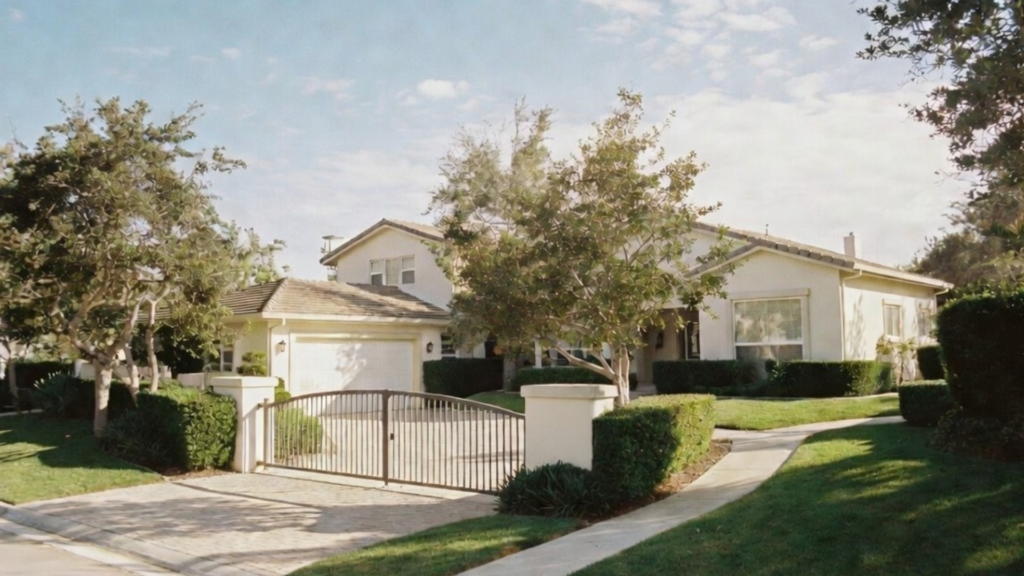
Hoa fees
Blog, Condo Management, Real Estate

HOA Fees: Meaning and How to Evaluate Them Before Buying Your Home

You have found a beautiful townhouse in a friendly Calgary community. The kitchen is renovated, the yard is sunny, and the neighbors seem lovely. Then you see the monthly homeowners association fees. Your heart skips a beat. Are these fees reasonable? What do they actually pay for? Green Casa helps buyers answer these questions every week. Let me explain what HOA fees really mean so you can bid with confidence. We will uncover what makes a healthy HOA and when to walk away. HOA Fees Meaning: More Than Just a Monthly Bill Many first-time buyers see HOA fees as just another expense, like internet or streaming services. But that view overlooks the bigger picture. The true meaning of HOA fees is a shared financial responsibility for a shared environment. When you pay, you are buying predictability. Instead of worrying if the roof will leak next winter, you know the HOA has a plan and a fund. Instead of arguing with your neighbor about who will shovel the shared walkway, the property management company takes care of it. Instead of saving $10,000 for a surprise parking lot repaving, you pay a small monthly amount. HOA fees turn unpredictable large costs into manageable small ones. That is smart, not wasteful. What Influences How Much Are HOA Fees? You might wonder why two identical condos have very different HOA fees. Several factors explain the difference. Location is important. Property taxes on common land and utility rates vary across Calgary. The age of the building matters too. Older structures require more maintenance. Amenities also play a big role. A building with an indoor pool, sauna, and concierge will have much higher fees than a small walk-up with no elevator. Insurance costs are also a factor. Buildings in flood zones or with past claims face higher insurance premiums, which get added to your dues. Finally, the quality of the property management company is important. A professional firm like Green Casa can save owners money through better vendor contracts and fewer emergencies. What Do HOA Fees Include When You Own a Townhouse vs a Condo Let me clarify a common source of confusion. What HOA fees include often depends on your property type. In a standard apartment condo, fees typically cover building insurance, exterior maintenance, hallway cleaning, elevator repair, garbage disposal, water and sewer, and sometimes heat and gas. In a townhouse community, fees might cover only landscaping, snow removal, fence repairs, and the shared clubhouse. In a single-family home HOA, fees often cover just the entrance gate, street lighting, and a small park. You must read the official documents to know exactly where your money goes. I once had a buyer assume their townhouse HOA included roof replacement. After closing, they learned roofs were the owner’s responsibility. Don’t let that be you. Ask before you sign. The Critical Role of a Property Management Company in HOA Health A community without a competent property management company is like a ship without a captain. I have seen both sides. In one Calgary community, the board tried to self-manage to save money. Within two years, they missed a tax deadline, failed to collect 30 percent of fees, and ignored a leaking sprinkler system that caused $80,000 in damage. We were brought in to stabilize everything. After Green Casa took over, we implemented online payments, transparent budgeting, and regular maintenance inspections. Within six months, fee collections reached 98 percent, and they finally built a reserve fund. A good property management company brings order to chaos. That is why we recommend you always check who manages any HOA you consider joining. How to Spot Financially Healthy Homeowners Association Dues You do not need to be an accountant to evaluate HOA health. You just need to ask three simple questions. First, what percentage of owners are late on their dues? Anything above 5 percent is a red flag. Second, what is the reserve fund percentage? If the reserve study recommends $500,000 and they have $150,000, expect a special assessment soon. Third, have there been any lawsuits involving the HOA in the last five years? Lawsuits drain reserves and often lead to fee increases. A good property management company will provide answers to all three questions in writing. If the seller or board hesitates, I would walk away. Remember, average HOA fees are just a number. Financial health depends on what lies behind that number. Negotiating and Budgeting Around HOA Fees Here is some good news for buyers. You can sometimes negotiate around HOA fees. If a home has been on the market for sixty days and the fees are above average for the area, you might ask the seller to cover six months of dues as a closing credit. Alternatively, you could offer a slightly lower purchase price to offset the long-term cost. When you run your numbers, use this formula. Multiply the monthly HOA fees by 12 to get your annual cost. Then multiply that by the number of years you plan to stay. For a $400 monthly fee over ten years, that is $48,000. That is real money. But remember, you would have spent much of that on maintenance anyway if you owned a detached home. The key is making an informed choice. Conclusion Thank you for letting Green Casa guide you through this important topic. HOA fees are not enemies to avoid. They are tools to create stable, beautiful, and well-run communities. By understanding HOA fees, asking the right questions, and working with a reliable property management company, you set yourself up for years of stress-free homeownership. Whether you are buying your first condo or your fifth family home, take time to review the HOA budget. Talk to neighbors. Read the reserve study. And remember, we are just a phone call away if you need advice. Happy home hunting from all of us at Green Casa. Frequently Asked Questions (FAQs) What are HOA dues if I buy a new construction home? Developers often set initial dues artificially 10

rental insurance tips
Blog, Tenant Tips

Smart Rental Insurance Tips Every Calgary Renter Should Know

Smart Rental Insurance Tips Every Calgary Renter Should Know Welcome back to the Green Casa blog. Today, I want to talk about something that might sound boring but can actually save you a lot of money: tenant insurance in Calgary. You probably know it’s a good idea, but do you know how to choose the right coverage, avoid common mistakes, and save money? Over the past seven years of managing properties here, we’ve gathered the best rental insurance tips for renters of all kinds. Whether you are a student in a downtown condo or a family renting a house in the Northwest, these insights will help you protect your belongings. Let’s dive into a practical conversation about what works. Why Standard Coverage Might Not Be Enough When you receive a quote for tenant insurance, many companies often provide the cheapest package right away. That may seem smart, but here’s where I see renters go wrong. Standard policies often exclude overland flooding, earthquake damage, and sewer backup. In Calgary, we’ve seen hailstorms break windows, and heavy rains flood basement suites. If your policy doesn’t cover sewer backup, you might end up spending thousands to replace your couch and carpet. When shopping for the best renter insurance Calgary providers offer, always ask for the list of exclusions. Then, decide which add-ons fit your actual risks. I personally recommend adding sewer backup and water damage coverage if your unit is on the ground floor or in a basement. How to Get the Best Tenant Insurance Calgary Has to Offer You want the best tenant insurance in Calgary, but what does “best” actually mean? It doesn’t always mean the cheapest. “Best” means a good balance of price, coverage limits, and claims service. Start by making a simple inventory of your home. Walk through your apartment with your phone and record every drawer and closet. Estimate the cost to replace everything. Many young renters guess $10,000, but when they add up their laptop, phone, winter jacket, bike, kitchen appliances, and furniture, it often totals $25,000 or more. Then, get three tenant insurance quotes based on that number. Compare the deductible—the amount you pay before insurance kicks in—and check online reviews for claims speed. Rental Insurance Tips for Roommates and Students Living with roommates is fun and affordable, but it complicates tenant insurance in Calgary. Here’s a common misunderstanding: one policy doesn’t cover all roommates. If you and two friends rent a house together, and only you buy a policy, your friends’ belongings aren’t covered. Their liability isn’t covered either. So if your friend leaves the stove on and causes a fire, your policy won’t pay for damages from their mistake. The best solution is for each adult roommate to buy their own tenant insurance policy. Some companies do offer shared policies for unmarried partners or siblings, but make sure all names are listed. We also recommend finding the best renters insurance that Calgary students can afford by looking for student discounts. Many insurers offer 10 to 15 percent off if you provide a student ID. What a Property Management Company in Calgary Looks For As a property management company in Calgary, Green Casa reviews every tenant insurance certificate before handing over the keys. What do we check? First, we confirm the policy start date matches the lease start date. Second, we look for at least one million dollars in liability coverage. Third, we ensure the named insured matches the tenant on the lease. We don’t accept policies that only cover personal property without liability. Why are we strict? Because we’ve seen small kitchen fires turn into lawsuits. We want to protect both the owner and tenant. If your policy lapses during the lease, we’ll ask for proof of renewal. This isn’t about controlling you; it’s about making sure a small accident doesn’t ruin your finances. Real Life Example: Why I Renew Every Year Without Fail Let me share a quick personal story. A few years ago, before I worked at Green Casa, I rented a lovely basement suite in Mission. I had tenant insurance in Calgary because my landlord required it. One evening, a pipe burst behind my washing machine. Water poured onto my new laptop, my passport, and a box of family photos. I felt sick. But when I called my insurer, they asked me to send photos and receipts. Within two weeks, I received a deposit for a new laptop and professional photo restoration. The total claim was over $4,000. My monthly premium was $18. That experience turned me into a lifelong believer. Now, I tell every tenant I meet not to wait until something happens to understand the value of this coverage. How to Lower Your Tenant Insurance Cost Without Losing Protection Everyone wants to save money, and you can lower your tenant insurance cost by making smart adjustments. Raise your deductible from $500 to $1,000. That alone can lower your premium by 10 to 15 percent. Install deadbolt locks and a fire extinguisher in your kitchen; take a photo and ask your insurer about safety discounts. Pay your annual premium upfront instead of monthly to save on administrative fees. Also, avoid making small claims. If you lose a $200 bicycle, paying for it yourself keeps your claims history clean. A single small claim can raise your rates for three years. Finally, ask about bundling. If you have a car, insure it with the same company that offers tenant insurance in Calgary, and you will often save 20 percent on both policies. Conclusion: Alberta Is Canada’s Smart Investment Move Thank you for reading this far. We at Green Casa believe that knowledge is power. You now have a clear set of rental insurance tips that can protect you from financial hardship. Tenant insurance in Calgary isn’t just another bill; it’s your safety net, your peace of mind, and your smartest move as a renter. Don’t wait for a disaster to remind you. Get a tenant insurance quote this week, customize it 10

Tenant Insurance in Calgary
Blog

What Is Tenant Insurance in Calgary and Why Do You Need It?

What is Tenant Insurance in Calgary and Why Do You Need It? Moving into a new rental home is an exciting step, especially in a vibrant city like Calgary. But before you settle in, have you thought about protecting your belongings and your financial future? Many renters overlook a simple yet effective tool: tenant insurance, which Calgary residents rely on to avoid headaches. At Green Casa, a property management company in Calgary, we see too many tenants learn the hard way why this coverage is important. Today, I want to explain what this insurance is, why we recommend it, and how it brings peace of mind for everyone involved. What Exactly Does Tenant Insurance Cover? Let me break it down simply. Tenant insurance in Calgary usually covers three main areas. First, your personal property—think furniture, electronics, clothing, and even winter gear. If a fire, theft, or water damage happens, your policy helps replace those items. Second, it provides liability coverage. If someone trips on your rug and gets hurt, or if you accidentally start a fire, liability insurance helps cover legal and medical costs. Third, it offers additional living expenses. If your building floods and you can’t stay there for a month, your policy would pay for a hotel and meals. Without tenant insurance, Calgary renters often end up paying these costs themselves. Is Tenant Insurance Mandatory in Calgary? This is one of the most common questions we receive at Green Casa. Strictly speaking, Alberta law does not require every renter to have tenant insurance in Calgary. However, most professional landlords and property management companies include a clause in the lease agreement requiring it. Why? Because we want to protect you and the property owner. If a fire starts in your unit and damages three other suites, you could be personally sued for tens of thousands of dollars without liability coverage. So while it’s not mandatory by government law, it is contractually required in many buildings. Always check your lease. As a property management company in Calgary, we ensure our tenants understand this before signing. How Much Does Tenant Insurance Cost? You might be surprised at how affordable this protection really is. On average, tenant insurance costs in Calgary range from 15 to 30 dollars per month. That’s less than your internet bill or a couple of takeout meals. For that small amount, you get anywhere from 20,000 to 50,000 dollars in personal property coverage and one million dollars in liability coverage. Several factors affect the price: your building’s age, proximity to a fire hydrant, your claims history, and the coverage amount you choose. We always recommend getting a tenant insurance quote from at least two providers to compare. You can often bundle it with auto insurance for extra savings. Best Tenant Insurance Calgary Providers and Tips Now let’s talk about how to find the best tenant insurance in Calgary. I recommend looking at Square One, TD Insurance, Allstate, or Intact. These companies offer flexible online quotes and understand Calgary’s unique weather risks, like hailstorms and basement flooding. Before buying, follow these tips for rental insurance: take a video walkthrough of your apartment, save receipts for valuable items like your laptop or bike, and ask about “actual cash value” versus “replacement cost.” Replacement cost is better because it pays for a brand new item, not a depreciated one. Also, check if your policy covers sewer backup. Calgary has seen significant rainfall, and that add-on is often worth the extra two dollars per month. Also read Tenant Background Screening for First-Time Landlords   What Happens If You Rent Without Insurance? We have seen this happen, and it’s heartbreaking. A tenant in one of our properties left a candle burning on a wooden shelf. The fire caused smoke damage to three adjacent units. Without tenant insurance, Calgary authorities and building owners had to pursue the tenant personally for over 35,000 dollars in damages. That young renter ended up with a debt that affected their credit, ability to rent again, and mental well-being. On the other hand, we had a water leak from an upstairs washing machine ruin a tenant’s entire wardrobe. Because she had the best renters insurance, she received a check within ten days and stayed in a hotel at no cost. Which story sounds like you? How Green Casa Helps You Stay Protected At Green Casa, we don’t just demand insurance and walk away. We provide every new tenant with a simple guide on how to get a tenant insurance quote in under ten minutes. We also partner with trusted brokers who offer discounted rates for our tenants. When you rent through us, your lease clearly states the minimum coverage requirements, usually 30,000 dollars for personal property and one million for liability. We also host an annual rental insurance tips webinar for free. Our goal is zero surprise claims. You focus on enjoying your Calgary home, and we help make sure nothing can unexpectedly drain your savings. Conclusion At Green Casa, we believe renting should feel safe and optimistic. You have worked hard to furnish your home and build your life in Calgary. Don’t let a small accident turn into a financial disaster. Getting tenant insurance is one of the smartest, cheapest forms of protection available. Take thirty minutes this week to compare a few quotes and choose a policy that fits your budget. You’ll sleep better, and so will we. If you have any questions about your lease requirements or need a referral, just call or email our office. We are here to help you thrive. CONTACT US Frequently Asked Questions Is tenant insurance mandatory in Calgary for all renters? No, not by provincial law, but most property management companies and landlords require it in the lease agreement. Always confirm before moving in. What is the average tenant insurance cost in Calgary? Most renters pay between 15 and 30 dollars per month, depending on coverage limits, building type, and claims history. How do I get a tenant insurance 10

Tenant Screening
Blog

Tenant Background Screening for First-Time Landlords

Tenant Background Screening for First-Time Landlords Finding a responsible tenant is one of the biggest responsibilities of a landlord. A good tenant is a necessity for well-maintenance of the property, increased property value, timely rent payments, and smoother handling. An irresponsible tenant, on the other hand, can cause troubles like financial loss and legal issues. That is why considering tenant screening is as important as rental income. A complete tenant background screening helps avoid future risks. This blog details the importance of tenant background check and their steps. What is Tenant Screening and Background Check? Tenant screening and background check are the processes of verifying details about a potential client before renting the property to them. The process involves a series of verifications to avoid issues and ensure the property is in safe hands. It usually includes identity verification, employment and income checks, rental history reviews, criminal background checks, and more. These processes will help landlords to avoid unreliable clients and protect their investment. Why is Tenant Screening Important? For a first-time landlord, renting out a property may feel confusing and exciting at the same time. Some first-time landlords tend to focus only on rental income and profits and miss out on tenant screening, which is much more important. Avoiding tenant screening may lead to legal disputes, financial loss, and property damage. Here are some of the benefits of tenant screening. Verifying the identity and employment of the client  Check rental history to ensure timely rent payments and responsibility Build an understanding about the financial reliability of the buyer Identify and prevent potential risks  Conducting a thorough tenant screening before renting out the property will help you make better decisions as a first-time landlord. Steps in Rental Background Checks Understanding steps in rental background checks will help the first-time landlords to carry out the process a lot more easily and efficiently.  Collect a rental application Get a rental application including the basic information like name, employment details, previous rental history, current address, identity proofs, etc.  2. Identity and employment verification  Verify that the information provided regarding the client’s identity and stable employment is true. 3. Rental history check  Check with given previous landlord references to understand payment habits, property care, and behaviour  4. Perform background and financial history checks Helps to check if the buyer manages finances responsibly and pays rent on time. A background check includes criminal history or anything of that sort to avoid risks of legal disputes.  5. Conduct an interview Talk in person with the client to learn more about them and to reach a fair understanding. How to Check Rental Background Rental background checks are an important part of tenant screening. Consistency and verification are important factors here. Here is how to check a renter’s background: Collect contact information of previous landlords and connect them for a clearer picture. Ask for valid ID proofs, salary slips or bank statements  Verify employment through official channels Conducting these will ensure your safety from any potential frauds and financial loss. You can also seek the help of tenant screening services to simplify the process. Common Mistakes in Tenant Background Check First-time landlords may make mistakes unknowingly during background checks for tenants and approve risky ones. Some common mistakes to avoid include: Skipping tenant background checks Ignoring rental history  Not contacting directly with the previous landlord Approving quickly without verifying properly The whole process is seemingly time-consuming and complicated. But avoiding them can be a threat to your property, profit and security. Choosing a reliable tenant helps to maintain your property and create a smooth rental experience. Importance of a Property Management Company Managing a rental property by yourself can be a tough job, especially for a first-time landlord. A professional property management company can assist you, making the renting easier and smooth. A property management company will help with: Tenant screening and selection  Property management during the procedures Lease management and rent collection  Property inspections  These services ensure legal compliance in renting your property and conducting background checks, thereby reducing the stress for landlords. They also provide benefits including faster verification processes, better tenant selection, accurate reports etc. Conclusion Tenant screening is one of the most important steps before renting out a property. First-time landlords need to be extra careful in tenant background screening, as it protects your investment, reduces risk, and ensures safety.  Partnering with a professional property management company like Green Casa will make the process less stressful and accurate. Contact us for more details.  CONTACT US Frequently Asked Questions How long will tenant background screening take? It may take a couple of days depending on the detailed verification process. What should landlords look for in a reliable tenant? Landlords should look for positive rental history, stable income, and responsible financial behaviour during tenant screening. Is it legal to conduct background checks for tenants? Yes, a background check for tenants is legal in many areas when done according to local laws and regulations. Can a property management company help in tenant selection? Yes. A property management company can help in tenant screenings and rental management. It may take a couple of days depending on the detailed verification process. Landlords should look for positive rental history, stable income, and responsible financial behaviour during tenant screening. Yes, a background check for tenants is legal in many areas when done according to local laws and regulations. Yes. A property management company can help in tenant screenings and rental management. Hafil Perincheeri Co-Founder & Director Linkedin Envelope Instagram Hafil Perincheeri is an engineer-turned-realtor, investor, and builder based in Calgary, Canada. As Co-Founder and Director of Greencasa, he specializes in home flips, property development, and investment strategies. Since 2019, he has guided clients in home buying, multifamily investing, and financing options like CMHC and MLI Select, ensuring transparent, informed decisions. Get A Free Quote Green Casa Contact Form Full NamePhone NumberEmailCityServices– Select –Property ManagementConstruction ConsultancyCapital InvestmentMLI Select Program GuidanceDescribe your Requirement:Submit

Property Management vs Self-Management
Blog

Property Management vs Self-Management: Which Is Better?

If you have recently started looking at the Calgary real estate market you have probably come to a point where you have to make a decision. Do you take care of the property yourself. Do you give the keys to someone who does this for a living? This is a problem that every landlord has to deal with. It is especially true now in 2026. The Calgary real estate market is changing from a busy and crazy time to a more steady and calm time. The Calgary real estate market is not, like the ” west” anymore. The Calgary real estate market is becoming more balanced and sustainable.

canadian investors
Blog

Why Canadian Investors Are Leaving High-Priced Markets

Why Canadian Investors Are Leaving High-Priced Markets Across Canada, a major shift is happening in real estate investing. In provinces like Ontario and British Columbia, rising home prices, high interest rates, and compressed rental margins have made it increasingly difficult to generate strong returns. Investors are finding themselves priced out or stuck in deals that rely heavily on appreciation rather than income. That’s why many are turning their attention to Alberta.Cities like Calgary and Edmonton are emerging as top destinations for investors looking for affordability, stability, and real cash flow. Alberta Real Estate: Where Cash Flow Still Exists In many Canadian markets, real estate has become a long-term speculation game. Alberta offers a different reality one where investors can still purchase properties that generate income from day one. Lower property prices combined with strong rental rates create a unique opportunity for positive cash flow. This allows investors to: Cover expenses with rental income Build equity faster Reduce reliance on market appreciation For investors focused on performance, Alberta’s numbers simply make more sense. Strong Population Growth Driving Rental Demand Alberta’s real estate strength is backed by real demand. The province continues to see population growth due to: Interprovincial migration Job opportunities Affordable living compared to other provinces As more people move to cities like Calgary and Edmonton, the demand for rental housing continues to rise. This leads to: Lower vacancy rates Reliable tenant demand Stable long-term income For rental property owners, this creates a consistent and predictable investment environment. Multi-Family Real Estate in Alberta: Scaling Your Portfolio While many investors start with single-family homes, scaling becomes much easier with multi-family properties. In Alberta, buildings ranging from 4 units to 50 units are increasingly popular because they offer: Higher income potential Operational efficiency Easier portfolio growth Financing programs like CMHC MLI Select provide additional advantages by offering improved loan terms for properties that meet specific criteria. This makes multi-family investing one of the most effective ways to build long-term wealth in Alberta. Commercial Real Estate Opportunities in Alberta Residential investing is just one part of the opportunity. Alberta’s growing economy is also creating demand in the commercial sector, including: Retail plazas Office spaces Mixed-use developments For investors looking to diversify, commercial real estate offers additional income streams and long-term value potential. Why Out-of-Province Investors Are Choosing Alberta Investors from Ontario and BC are not just chasing lower prices, they are looking for a market that works. Alberta offers: Transparent and investor-friendly conditions Lower competition compared to major markets Strong rental demand Opportunities to scale portfolios With the help of experienced property management companies, investors can manage properties remotely while maintaining strong performance. The Role of Property Management in Alberta Investing For out-of-province investors, property management is a key factor in success. A professional property management team helps: Place and manage tenants Handle maintenance and repairs Reduce vacancies Optimize rental income This allows investors to focus on growth while their properties are professionally managed on the ground. Conclusion: Alberta Is Canada’s Smart Investment Move Alberta is not just an alternative; it’s becoming the preferred choice for serious investors. With its combination of affordability, strong rental demand, and scalable opportunities, it offers a balanced and practical approach to real estate investing. For investors tired of high-risk, low-return markets, Alberta provides a clear path to building sustainable wealth through real estate. Frequently Asked Questions (FAQs) Why are investors moving from Ontario and BC to Alberta? Investors are seeking better cash flow, lower property prices, and less competition all of which Alberta offers. Is Alberta a good market for beginner real estate investors? Yes. Lower entry costs and strong rental demand make Alberta one of the most accessible markets in Canada. Can you achieve positive cash flow in Alberta real estate? Yes. Many investors generate positive cash flow, especially in multi-family properties and rental-focused investments. What is CMHC MLI Select? It is a financing program that offers better loan terms for multi-family properties that meet affordability, accessibility, and energy efficiency criteria. Is it possible to invest in Alberta without living there? Yes. Many out-of-province investors successfully manage properties with the help of local property management companies. Are multi-family properties better than single-family homes? Multi-family properties offer better scalability and income potential, making them ideal for long-term portfolio growth. Is commercial real estate in Alberta a good investment? Yes. Commercial properties can provide diversification and strong returns, especially in growing urban areas. Hafil Perincheeri Co-Founder & Director Linkedin Envelope Instagram Hafil Perincheeri is an engineer-turned-realtor, investor, and builder based in Calgary, Canada. As Co-Founder and Director of Greencasa, he specializes in home flips, property development, and investment strategies. Since 2019, he has guided clients in home buying, multifamily investing, and financing options like CMHC and MLI Select, ensuring transparent, informed decisions. Get A Free Quote Green Casa Contact Form Full NamePhone NumberEmailCityServices– Select –Property ManagementConstruction ConsultancyCapital InvestmentMLI Select Program GuidanceDescribe your Requirement:Submit Recent Posts Why Calgary is Becoming a Great Place to Live Read more Everything You Need to Know About Section 216 Tax Returns in Canada Read more HOA Fees: Meaning and How to Evaluate Them Before Buying Your Home Read more

Canadian real estate
Blog, Real Estate

A Canadian Real Estate Market That Finally Works for Investors

Canadian real estate investors have struggled with one major problem: the numbers stopped making sense.   Sky-high property prices in major cities have made it increasingly difficult to generate positive cash flow. Many investors were forced to rely on appreciation alone, turning real estate into a waiting game instead of a performing asset. That’s exactly why Alberta is gaining attention. Unlike overheated markets, Alberta offers a rare balance where investors can still find properties that produce income today while growing in value over time. This is not speculation, it’s a return to fundamentals Affordable Entry Points in Alberta Real Estate Cities like Calgary and Edmonton continue to attract investors due to their accessible entry prices across: Single-family homes Duplexes and secondary suites Multi-family properties (4-plex to mid-size apartments) Small commercial assets Lower acquisition costs allow investors to reduce risk while maintaining strong monthly cash flow, a key advantage in today’s market. Rising Rental Demand Across Alberta Alberta’s population growth is driving one of the strongest rental markets in Canada. As more people relocate for affordability and job opportunities, demand continues to rise across Calgary and Edmonton. This creates: Lower vacancy rates Consistent rental income Strong tenant retention For investors, this means predictable performance and long-term stability. Calgary vs Edmonton Real Estate: Choosing the Right Market Both Calgary and Edmonton offer unique investment advantages: Calgary Real Estate Market High population growth Strong appreciation potential Expanding infrastructure and economy Edmonton Real Estate Market Higher rental yields Stable pricing Consistent tenant demand The right choice depends on your investment goals growth, cash flow, or a balanced strategy. Scaling with Multi-Family Investments in Alberta Many Canadian real estate investors begin with single-family properties, but real growth comes from scaling into multi-family assets. With support from programs like CMHC MLI Select, investors can access better financing terms for qualifying properties, making it easier to expand portfolios. Multi-family investing offers: Higher income potential Operational efficiency Long-term asset growth Why Property Management Is the Key to Maximizing ROI Owning property is one thing, optimizing it is another. A professional property management company like Green Casa Property Management helps investors: Attract and retain high-quality tenants Reduce vacancies and turnover Handle maintenance efficiently Provide clear financial reporting For out-of-province  investors, this transforms Alberta real estate into a fully managed, passive income stream. 🚀 Ready to Invest in Alberta Real Estate? Whether you’re buying your first rental or scaling a multi-family portfolio, Green Casa Property Management is your trusted partner in Alberta. 👉 Book a Free Consultation TodayDiscover how to maximize your ROI in Calgary and Edmonton with expert property management. 👉 Get a Rental Income AnalysisFind out how much your property can earn in today’s Alberta rental market. 👉 Explore Investment OpportunitiesAccess off-market deals and expert insights tailored for serious investors. 🔗 Helpful Resources New Build vs Resale in Alberta: Which Investment Is Better? CMHC MLI Select Explained for Multi-Family Investors Top Neighborhoods to Invest in Calgary Real Estate Edmonton Rental Market Trends for Investors How Property Management Increases ROI in Alberta Conclusion: Alberta Is Leading Canada’s Investment Shift Alberta is not just an alternative; it’s becoming the preferred choice for serious investors. With its combination of affordability, strong rental demand, and scalable opportunities, it offers a balanced and practical approach to real estate investing. For Canadian real estate investors tired of high-risk, low-return markets, Alberta provides a clear path to building sustainable wealth through real estate. Frequently Asked Questions (FAQs) Why is Alberta real estate attractive for investors in 2026? Alberta offers affordability, strong rental demand, and the ability to generate positive cash flow making it one of the most balanced markets in Canada. Is Calgary or Edmonton better for real estate investing? Calgary is ideal for appreciation and growth, while Edmonton offers higher rental yields and stable income. Can I invest in Alberta from another province? Yes, many investors successfully invest remotely by working with professional property management companies like Green Casa. What is the best investment strategy in Alberta? A mix of single-family and multi-family properties allows investors to balance cash flow and long-term appreciation. How does property management improve returns? Professional management reduces vacancies, improves tenant quality, and ensures efficient operations — all of which increase ROI. Are multi-family properties better than single-family homes? Multi-family properties offer better scalability and income potential, making them ideal for long-term portfolio growth. Hafil Perincheeri Co-Founder & Director Linkedin Envelope Instagram Hafil Perincheeri is an engineer-turned-realtor, investor, and builder based in Calgary, Canada. As Co-Founder and Director of Greencasa, he specializes in home flips, property development, and investment strategies. Since 2019, he has guided clients in home buying, multifamily investing, and financing options like CMHC and MLI Select, ensuring transparent, informed decisions. Get A Free Quote Green Casa Contact Form Full NamePhone NumberEmailCityServices– Select –Property ManagementConstruction ConsultancyCapital InvestmentMLI Select Program GuidanceDescribe your Requirement:Submit

Property Management in Calgary
Blog

The Hidden Risk Most Buyers Overlook

Property management in Calgary is essential even before you take possession of a new property. Whether you’re working with a property management company in Calgary or buying as a homeowner, when purchasing a new build in Alberta, most buyers focus on finishes, layouts, and upgrades. But one of the most critical systems in any home is also the least visible — drainage. When drainage works, you never notice it. When it fails, it becomes one of the most expensive and stressful problems a homeowner can face. Poor lot grading, improper foundation drainage, or incorrectly placed downspouts can lead to basement flooding, foundation damage, mold, and long-term structural issues. These problems often appear months or even years after possession, making them harder to trace and fix. For real estate investors and homeowners in Calgary and across Alberta, understanding drainage isn’t technical overkill — it’s essential protection for your investment. Understanding Alberta Drainage Requirements for New Homes Drainage standards in Alberta are not optional; they are governed by the National Building Code – 2023 Alberta Edition, which came into force on May 1, 2024. These regulations are enforced through municipal building permits and inspections in cities like Calgary and Edmonton, along with strict lot grading bylaws, which are also reviewed by the best property management Calgary experts before property acquisition. They cover multiple interconnected systems: Foundation drainage (weeping tile systems) Surface grading and slope requirements Roof water management (downspouts and discharge) Stormwater flows across lots and communities Together, these systems are designed to move water safely away from your home, not toward it. Why Drainage Is Especially Critical in Alberta’s Climate Alberta presents unique environmental challenges that make proper drainage even more important. Spring snowmelt, heavy summer storms, and frequent freeze-thaw cycles all place pressure on drainage systems. Add to that the prevalence of clay-heavy soil in many Calgary and Edmonton communities, and water management becomes even more complex. Clay soil absorbs water slowly, which often leads to pooling around foundations. In new communities where landscaping is not fully established, this risk is even higher. This is why even a small grading error can turn into a serious issue over time. Lot Grading Rules Every Buyer Should Understand One of the most important technical standards in Alberta is the required slope away from the home. A minimum 10 percent slope (200 mm drop over 2 metres) is required for soft surfaces like soil and grass Hard surfaces like driveways must still direct water away, even with lower slope requirements This grading ensures water flows away from your foundation instead of collecting around it. However, these standards only work if they are properly executed and verified. Calgary Lot Grading Bylaw: What It Means for You In Calgary, drainage compliance is enforced through a detailed lot grading bylaw. Builders are required to submit an As-Constructed Grade Certificate within 12 months of occupancy. This document confirms that the lot was built according to the approved grading plan. For buyers, this is more than paperwork, it’s proof that your property drains correctly. Without this certification, you may face challenges if drainage issues arise later. Edmonton’s Two-Stage Drainage Approval Process In Edmonton, drainage approval happens in two stages: Rough Grade Approval (builder responsibility) Final Grade Approval (homeowner responsibility after landscaping) This means many buyers take possession before final grading is completed. If landscaping is not done properly, drainage problems can occur, and in some cases, homeowners may be responsible. Foundation and Roof Drainage: Where Most Problems Begin Two of the most common drainage failures occur at the foundation and roof level. Foundation Drainage Homes must include a perimeter drainage system (weeping tile) to redirect groundwater away from the structure. Without it, water pressure builds against the foundation walls. Roof Drainage Downspouts must discharge water far enough away from the home. If water collects near the foundation, it can seep into the basement. A simple issue like a missing splash block can eventually lead to costly repairs. Stormwater and Community-Level Drainage Systems Drainage does not stop at your property line. In many Alberta communities, water flows through shared systems such as: Swales Storm ponds Underground drainage pipes Overland drainage pathways Some properties include drainage easements, which must remain unobstructed. Blocking these paths can lead to flooding not just for your property, but for neighboring homes as well. New Home Warranty: What Protection You Actually Have The Alberta New Home Warranty Program provides mandatory coverage for new builds. The key protection for drainage issues is the 5-year building envelope warranty, which covers water ingress caused by construction defects. However, it’s important to understand the limits: It covers construction defects It does NOT cover homeowner negligence or improper landscaping If drainage problems arise, documentation and early reporting are critical to making a successful claim. What Smart Buyers Should Verify Before Possession Before taking possession of a new home in Alberta, buyers should confirm: Proper slope away from the foundation Downspouts directing water away from the home No visible pooling near the structure Rough and/or final grade approvals (depending on stage) Builder commitments for grading completion Having professional representation or inspection support can significantly reduce your risk. Conclusion: Protecting Your Investment Starts Below Ground Drainage is not a visible upgrade, but it is one of the most important systems in your home. In Alberta’s climate, even small mistakes in grading or water management can lead to serious long-term damage. Understanding how drainage works and verifying it before possession gives buyers a powerful advantage. Whether you’re a homeowner, or a real estate investor in Calgary or Edmonton, taking drainage seriously is not optional. It’s one of the smartest decisions you can make to protect your property and your financial future. Frequently Asked Questions (FAQs) Why is drainage so important in Alberta real estate? Alberta’s climate and soil conditions increase the risk of water damage, making proper drainage essential for preventing foundation issues and basement flooding. What is the minimum grading requirement in Alberta? A 10 percent slope (200 mm drop over 10

Scroll to Top

Compare