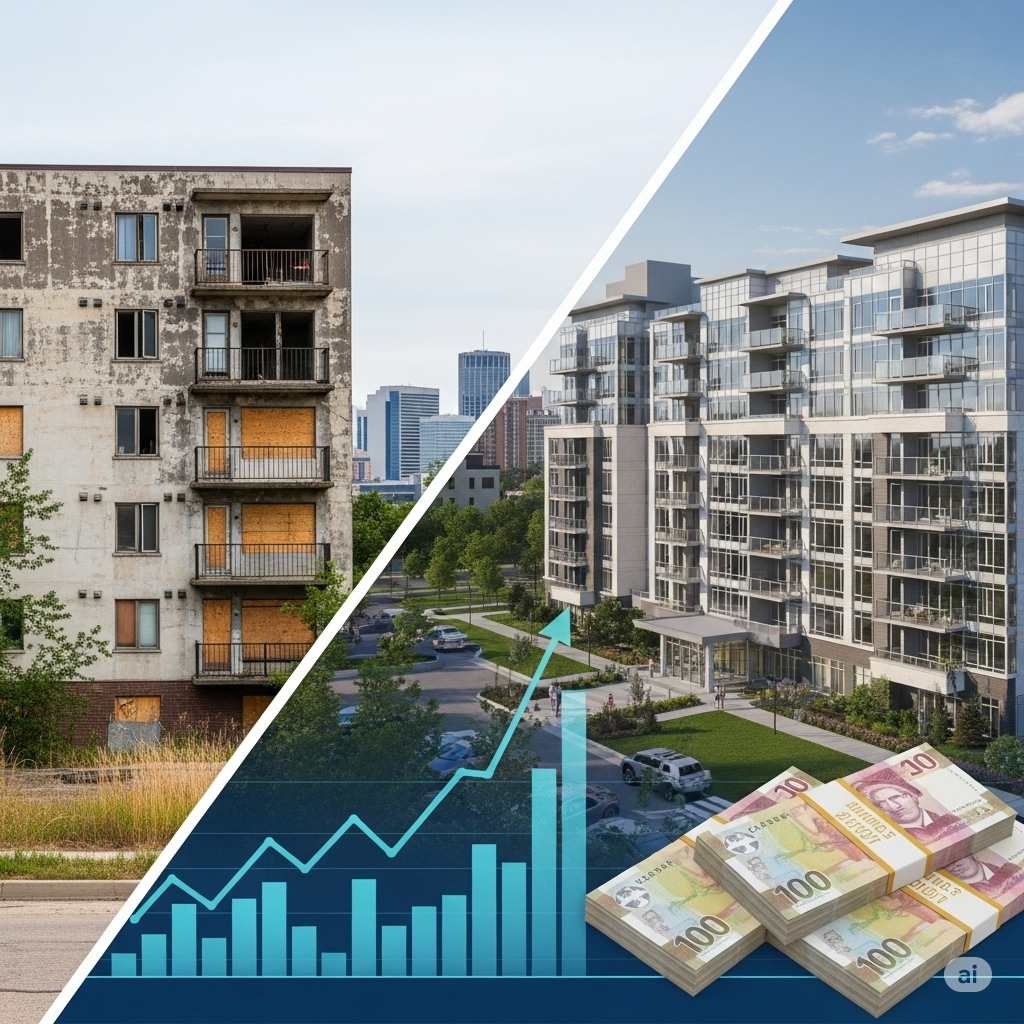
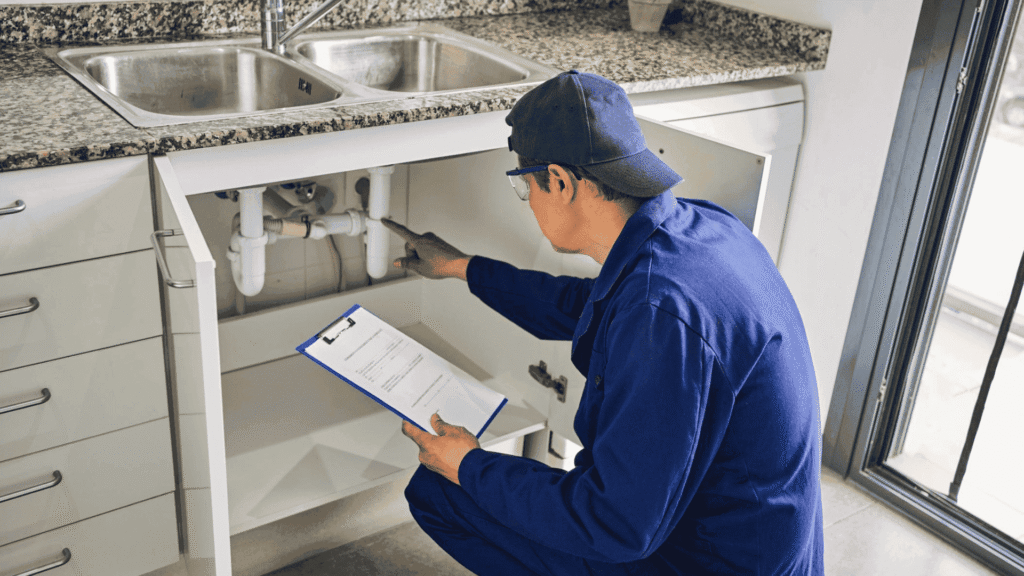
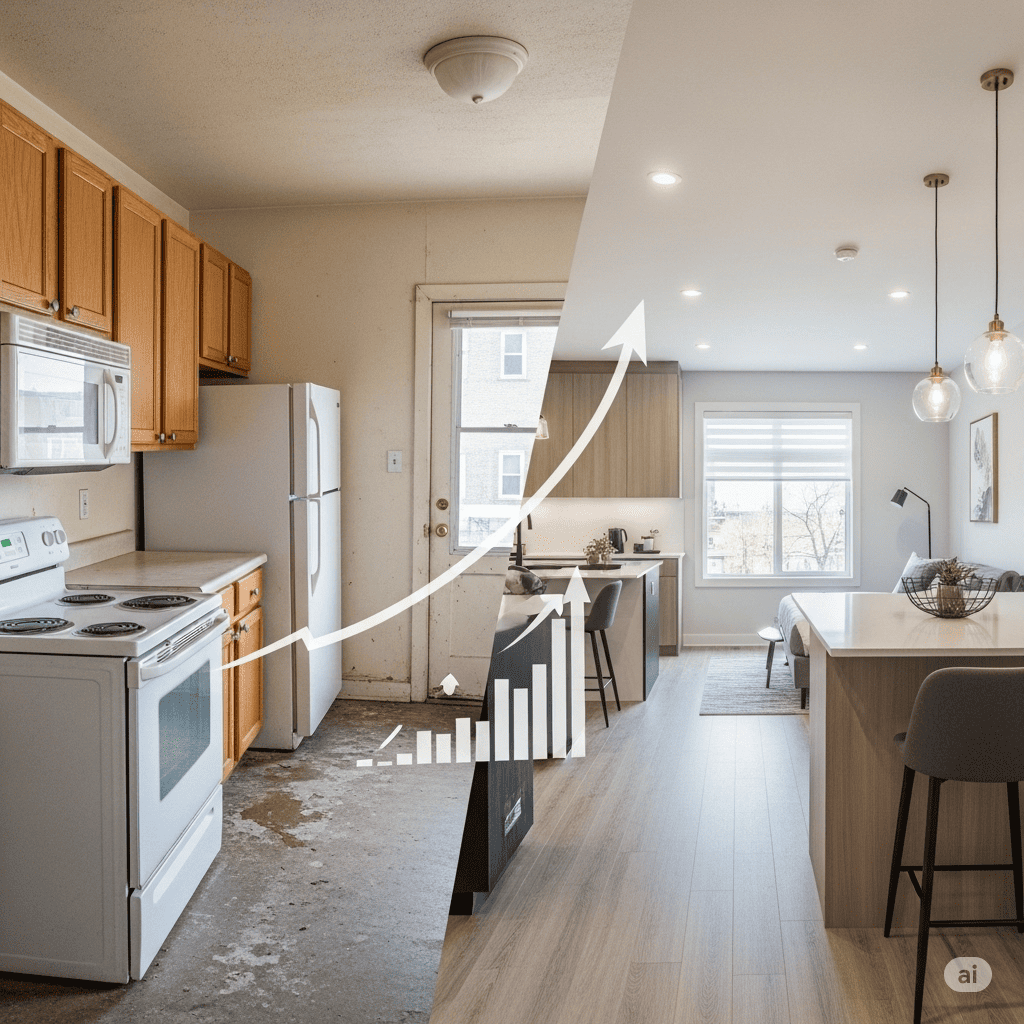
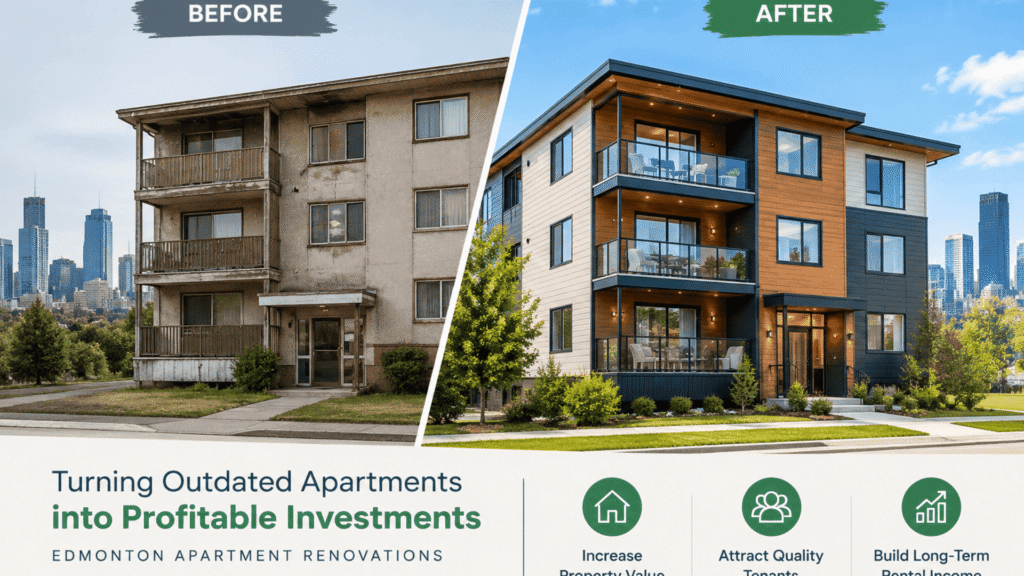
Walking into an old apartment building in Edmonton with outdated kitchens, worn-out flooring, and neglected maintenance might seem like a major challenge. However, these properties can offer valuable opportunities for investors who know how to identify their potential. With the right renovation strategy, Edmonton apartment renovations can turn an underperforming apartment building into a more attractive and profitable investment. Heavy value-add investing focuses on major property improvements, upgrading outdated units, and increasing rental income. In Edmonton’s apartment market, working with a reliable rental management company can help investors manage tenant transitions, coordinate maintenance, and improve rental performance. In this blog, we’ll explore how to make the most of heavy renovation projects while managing costs, risks, and tenant transitions. What Is a Heavy Value-Add Project? In real estate terms, a “heavy value-add” means: Old kitchens and bathrooms Outdated plumbing and electrical Flooring that’s seen better decades Low rents due to poor condition Deferred maintenance across the board These properties are often mismanaged, mispriced, and under-rented. In other words: they’re ripe for reinvention. And in a city like Edmonton, where multi-family is still relatively affordable compared to other Canadian metros, these projects are accessible to individual investors or small partnerships. Why Edmonton? The Opportunity Is Local Edmonton has: Cap rates are often in the 5.5%–6.5% range A large pool of working-class renters Older apartment stock built in the 60s–80s No provincial rent control Affordable entry prices (many buildings sell for 100k–130k per door) That’s the perfect cocktail for a fix-and-hold strategy where you force appreciation, refinance, and hold for cash flow. How the Money Is Made: A Real-Life Example Let’s say you buy a 12-unit apartment in Central Edmonton for $1.6 million. Here’s what you’re working with: Current average rent: $825/month Fully occupied, but under-market Needs ~$30,000/unit to renovate fully (flooring, paint, kitchens, lighting, etc.) You renovate all 12 units over 6–9 months while rotating tenants. New rents after reno: $1,200/month Increase = $375/month x 12 units = $4,500/month = $54,000/year At a 5.75% cap rate, that rent increase raises the property’s value by: $54,000 ÷ 0.0575 = $939,130 in new value created That’s the power of forced appreciation. Even after spending $360,000 on renovations, your equity gain is massive. You can refinance, pull capital out, and keep the building. The Risks: Let’s Be Honest Heavy reno projects aren’t for the faint of heart. Here’s what you need to watch for: Vacancy loss during renovations (you’re not collecting rent) Construction delays and cost overruns City permits and inspections are slowing you down Tenant turnover management – handling buyouts or moving tenants Financing complexity – banks may require staged funding This is why detailed planning and a reliable team are non-negotiable. Why You Need Professional Property Management Once you finish the renovations, the real work begins: managing the asset for long-term performance. That’s where Green Casa or similar companies come in: We help manage the tenant transition during renovations Handle lease-up strategy at new rent levels Protect your NOI through cost-effective operations Handle tenant inquiries, maintenance, and day-to-day operations Because your building may be beautiful, but if it’s poorly managed, the profit disappears fast. Final Word: Renovation Isn’t Just Risk — It’s Reward with Strategy Heavy value-add investing in Edmonton requires careful planning, sufficient capital, and effective property management. With the right renovation strategy, investors can increase property value, attract quality tenants, and build long-term rental income through well-planned Edmonton apartment renovations. Working with a reliable rental management company can help simplify tenant transitions, manage day-to-day operations, and maintain the property’s performance after renovations. With the right team and strategy, an outdated apartment building can become a valuable long-term investment. Frequently Asked Questions (FAQs) What are heavy value-add renovations in Edmonton apartments? Heavy value-add renovations involve major upgrades to outdated apartments, including kitchens, bathrooms, flooring, lighting, and building systems, to improve property value and rental income. How can Edmonton apartment renovations increase rental income? Renovations can make apartments more attractive to tenants, support competitive rental rates, and improve occupancy when upgrades match local rental demand. What risks should investors consider before renovating an apartment building? Investors should plan for unexpected repair costs, construction delays, permit requirements, temporary vacancies, and tenant transitions. How can a rental management company help during apartment renovations? A rental management company can help coordinate tenant communication, handle maintenance requests, manage leasing, and support day-to-day property operations. Is heavy value-add investing suitable for every apartment investor? No. This strategy generally requires sufficient capital, careful budgeting, renovation planning, and ongoing management to handle unexpected costs and investment risks. Hafil Perincheeri Co-Founder & Director Linkedin Envelope Instagram Hafil Perincheeri is an engineer-turned-realtor, investor, and builder based in Calgary, Canada. As Co-Founder and Director of Greencasa, he specializes in home flips, property development, and investment strategies. Since 2019, he has guided clients in home buying, multifamily investing, and financing options like CMHC and MLI Select, ensuring transparent, informed decisions. Get A Free Quote Green Casa Contact Form Full NamePhone NumberEmailCityServices– Select –Property ManagementConstruction ConsultancyCapital InvestmentMLI Select Program GuidanceDescribe your Requirement:Submit