

Green Casa Commercial

Get In Touch

Green Casa Popup Form

Real Estate

residential vs commercial real estate
Real Estate

Residential vs Commercial Real Estate Investment: Which Path Is Right for You?

You are ready to invest in estate but you have a big decision to make: residential or commercial property. I have invested in both types of properties. I can tell you that they are completely different. Today we will compare the two types of real estate investments. We will look at the costs, returns, risks, relationships with tenants and financing options. By the end of this you will know which path is right for you based on your goals, your personality and your bank account. This decision will affect your investing journey for years to come. What Is Residential Real Estate Investment? Residential real estate investment means buying properties where people live. This includes family homes, duplexes, townhouses, condos and apartment buildings with up to four units. You rent these properties out to people who will live there. This is where most new investors start, because it is easier to get into. You can buy a single family home with a payment of 5 to 20 percent. The financing process is straightforward. The tenants are people and you can relate to them. I started with a duplex and it helped me learn the basics of real estate investing. Residential investing is familiar. It is easy to understand because you have lived in a home yourself. That makes it more comfortable for you. What Is Commercial Real Estate Investment? Commercial real estate investment includes properties that are used for businesses. This includes office buildings, retail spaces, warehouses, industrial units and apartment buildings with five or more units. You rent these properties out to businesses or to tenants. The leases are usually longer. They can last from 5 to 10 years. The tenants are companies, not families. The numbers are bigger. A small commercial property can cost 1 million dollars or more. The down payment is usually 25 to 35 percent and the financing process is more complex. I did not invest in properties until I had several residential properties because it is a different game with higher stakes and higher rewards. The Costs and Financing Differences Let us talk about money. Residential properties are cheaper to buy. They are easier to finance. You can get a mortgage with a 5 percent down payment and a 25 year amortization period. The interest rates are lower. Commercial properties require a 25 to 35 percent down payment. The amortization periods are shorter, usually 15 to 20 years. The interest rates are higher. The purchase price is also much higher. A decent commercial building can cost 1 to 5 million dollars, which’s a lot of money. Commercial leases often include triple net clauses, which means the tenant pays property taxes, insurance and maintenance. This reduces your expenses. I have found that commercial properties often have cash flow but the upfront cost is intimidating. Returns and Cash Flow Comparison Residential properties generate returns from rent and long term appreciation. The cash flow is steady. It is often modest. A single family home might generate 200 to 500 dollars per month after expenses. Commercial properties can generate higher returns. A located retail or industrial property can yield 8 to 12 percent return on investment. The leases are longer. The rents increase regularly. If a commercial property is vacant it can hurt more. A residential vacancy of one month can lose 2,000 dollars while a commercial vacancy of six months can lose 60,000 dollars or more. I have experienced both. I can tell you that residential properties are slow and steady while commercial properties are high risk, high reward. Tenant Relationships and Management Residential tenants are individuals and families. They can be emotional. They call you about every issue and they have a personal connection to the property. Managing them requires patience and people skills. Commercial tenants are businesses. They care about the propertys functionality. They want to know if the property has parking, if the HVAC system is reliable and if they can load deliveries easily. They are less emotional. They are more demanding about specific needs. They also have lawyers reviewing the leases. I have found that managing residential properties is hands on and personal while managing commercial properties is more professional and distant. Both types of properties have their challenges. Vacancy and Risk Vacancy is the risk in both residential and commercial properties. Residential vacancies are usually shorter. You can find a new tenant in 30 to 60 days. Commercial vacancies can last 6 to 12 months or more because there are commercial renters. The search is longer. The financial impact is larger. I remember having a retail space sit empty for eight months and it hurt. Residential vacancies are also painful. They are easier to recover from. The risk is lower because there are always people looking for homes. Commercial properties are more sensitive to the economy. A recession can hit businesses first. Tax Benefits of Each Investment Both residential and commercial properties offer tax advantages. With properties you can deduct mortgage interest, property taxes, insurance, maintenance and depreciation. You can also claim capital cost allowance. With properties you can deduct all the same expenses, plus tenant improvements, lease commissions and professional fees. The depreciation rates are higher for properties and you can also defer capital gains through a 1031 exchange or similar rules in Canada. I have used both to reduce my tax burden but commercial tax planning is more complex. You need an accountant who understands commercial real estate. Which One Is Right for You? Here is my honest advice: start with properties if you are new to real estate investing. The barriers are lower. The mistakes are cheaper. You will learn how to manage tenants maintain properties and generate cash flow without risking everything. Once you have owned a residential properties and understand real estate investing then consider commercial properties. You will need capital and more patience but the returns can be life changing. If you have the funds and the risk tolerance commercial properties can accelerate your wealth. If 10

Freehold in Property
Blog, Real Estate

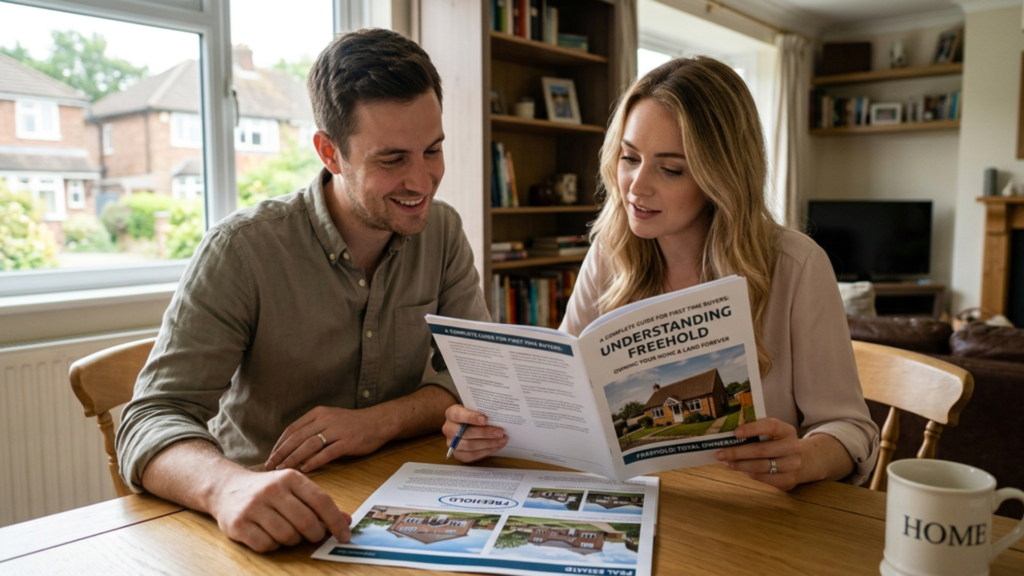
What Is Freehold in Property? A Complete Guide for First Time Buyers

You have been scrolling through real estate listings and keep seeing the word freehold.. What does it actually mean? Understanding what freehold in property is one of the important things you will learn as a buyer. I was confused by this term when I bought my home. Today you and I will break it down in language. By the end you will know what freehold means, how it differs from other types of ownership and why it matters for your purchase decision. What Is Freehold in Property The Simple Definition Let me give you an explanation. What is freehold in property? It means you own both the house and the land it sits on. There is no lease, no landlord and no monthly ground rent. You are the absolute owner. You can do anything you want with the property subject to local zoning and building codes. You can renovate, knock down rebuild, sell or pass it to your children. Freehold is the common type of homeownership in Canada. Most single family homes and many townhouses are freehold. When you buy a property you are buying the land under your feet and everything on top of it. Freehold vs Leasehold What Is the Difference? This is the question I get often. What is freehold in property compared to leasehold? In a leasehold you own the house but not the land. You lease the land from a landlord for 99 years. You pay ground rent. You have restrictions on what you can do. The value of leasehold properties decreases as the lease shortens. Freehold on the hand gives you full ownership forever. There is no expiring lease. No one can take the land back from you unless you fail to pay property taxes. I have seen buyers choose freehold over leasehold for peace of mind. Freehold means freedom. Leasehold means limits. The Advantages of Freehold Ownership Why do buyers prefer freehold? The benefits are substantial. First you have control. You can renovate, expand or landscape without asking permission from a landlord. Second you do not pay ground rent. You never pay fees for the land itself. Third freehold properties generally increase in value faster than leasehold because the land is yours. Fourth you can pass the property to your children without lease expiration worries. Fifth financing is easier. Lenders prefer freehold because it is a secure asset. I have owned both freehold and leasehold properties. I can tell you freehold is simpler and more rewarding in the long run. The Responsibilities of Freehold Ownership Freehold is not all freedom. With ownership comes responsibility. You are responsible for every repair every maintenance issue and every upgrade. When the roof leaks you fix it. When the furnace breaks you replace it. When the driveway cracks you repave it. There is no condo board or landlord to share costs. You also pay property taxes, full insurance and all utility connection fees. Understanding what freehold in property means understanding that you are fully responsible for the propertys condition. I always tell buyers to budget 1 to 2 percent of the property value for maintenance. On a 500,000 dollar home that is 5,000 to 10,000 dollars per year. Freehold is freedom. Freedom comes with bills. What to Look for When Buying a Freehold Property This is a common source of confusion. A freehold condo or townhouse means you own the unit and your share of the elements.. You do not own the land exclusively. You share it with owners. You pay condo fees for maintenance of areas. You are bound by condo board rules. Is that freehold? Yes, in the sense that the condo corporation owns the land collectively.. It is not the same as a detached single family home. When people ask what freehold in property is they are usually thinking of a detached house.. Townhouses can also be freehold meaning no condo fees. Always check the description. If you own the land under your townhouse you are freehold. Freehold. Townhouses What Buyers Need to Know This is a common source of confusion. A freehold condo or townhouse means you own the unit and your share of the elements.. You do not own the land exclusively. You share it with owners. You pay condo fees for maintenance of areas. You are bound by condo board rules. Is that freehold? Yes, in the sense that the condo corporation owns the land collectively.. It is not the same as a detached single family home. When people ask what freehold in property is they are usually thinking of a detached house.. Townhouses can also be freehold meaning no condo fees. Always check the description. If you own the land under your townhouse you are freehold. Freehold vs Fee Simple Are They the Same? You might also see the term fee simple. Are fee simple and freehold the same? In Canada yes. Freehold and fee simple are often used interchangeably. Both mean you own the property outright with no time limit. There is no landlord, no ground rent and no lease expiration. The only exception is if there are covenants on the title, such as an easement for utilities.. Those are rare and minor. What freehold in property in Canada is fee simple ownership. It is the most complete form of ownership you can have. Conclusion You now understand what freehold in property is. It means owning the house and the land with no lease, no landlord and no expiration date. Freehold gives you freedom, control and better long term value. It also comes with full responsibility, for maintenance, repairs and taxes. I have owned homes for years and would not have it any other way. The peace of mind is worth every repair bill. If you are buying, choose freehold when you can. Your future self will thank you. Frequently Asked Questions (FAQs) What is freehold in property ownership? It means you own the house and the land it sits on with no lease or ground rent. You 10

Real Estate Investors
Real Estate

How to Avoid the Mistakes New Real Estate Investors Make

You are excited to buy your first rental property. The numbers look great on paper. The neighborhood seems like it is about to take off. Before you sign anything let me save you from the mistakes I made when I started out. Real estate investing can absolutely build wealth, but it can also drain your bank account quickly if you fall into common traps. Today you and I are going to walk through the errors new investors make and exactly how to dodge them. By the time we are done you will save thousands of dollars. Actually sleep better at night. 1. Falling in Love with the Property I have watched many new investors fall in love with a real estate investment property and ignore the numbers. You walk into a home with hardwood floors, a stunning renovated kitchen and a beautiful backyard. You imagine yourself living there. Suddenly you forget that the roof is 25 years old the furnace is ancient and the neighborhood has a crime rate that keeps going up. Here is a tip for real estate investment that took me years to learn: separate your emotions from the numbers. The real estate investment property is a business asset, not your dream home. I have walked away from properties that would have been terrible investments. The best deals are often the ones. They need work. They have the best numbers. I always look for real estate investment properties that make sense financially. 2. Not Factoring in All Expenses Investors almost always make this mistake. They calculate their costs as just the mortgage payment for their real estate investment.. What about property taxes? Insurance? Maintenance? Property management fees? Vacancies? I cannot tell you how times I have seen a real estate investment property that looked great on paper but lost money every single month because of hidden costs. Use the 50 percent rule as your reality check for your real estate investment. That rule says half your rental income will go to expenses for your real estate investment. If your rent is 2,000 dollars a month budget 1,000 dollars for expenses for your real estate investment. If your mortgage is 1,200 dollars, congratulations you are losing 200 dollars every month on your real estate investment. A solid tip for real estate investing is to underpromise and overbudget. Always add a 10 percent buffer to your expense estimates for your real estate investment. This way you will be prepared for any costs for your real estate investment. 3. Skipping the Home Inspection You found a real estate investment property and you want to move fast. The market is competitive so you think about waiving the home inspection to make your offer more attractive for the real estate investment. Do not do it. That is a game. Hidden issues like foundation cracks, mold, old knob and tube wiring or major plumbing problems can cost you tens of thousands of dollars for your real estate investment. I always recommend getting an inspection from a licensed professional for my real estate investment. If the seller refuses to allow an inspection walk away from the real estate investment. Use the inspection report to negotiate a price or ask the seller to make repairs before closing for your real estate investment. A hundred dollars for an inspection can save you 20,000 dollars in surprise repairs for your real estate investment. 4. Overpaying for the Property In a market it is so easy to get caught up in bidding wars for a real estate investment. You offer 10,000, 20,000 or even 50,000 dollars above asking to secure the deal for your real estate investment.. Remember this: your profit comes from the spread between what you pay and what you earn from your real estate investment. Overpaying eats into your returns immediately for your real estate investment. Real estate investment is about buying right not buying fast. Set a price before you make an offer for your real estate investment and stick to it no matter what. I have lost bidding wars. Felt disappointed but later I found even better deals for my real estate investment. There is always another real estate investment property. Do not get emotional about a real estate investment property. 5. Ignoring the Neighborhood The real estate investment property itself is half the story. The neighborhood determines your demand, your property value and your tenant quality for your real estate investment. Drive through the area at times of day. Is it quiet at night? Are the neighboring homes well maintained? Are there schools, parks and transit nearby? Look up crime statistics and future development plans for the neighborhood of your real estate investment. A real estate investment property in a declining neighborhood might be cheap. It will be hard to rent and even harder to sell. I always spend time in a neighborhood before I buy a real estate investment property. That local knowledge is a tip for real estate investment success. You need to know the neighborhood of your real estate investment. 6. Underestimating the Cost of Turnover When a tenant moves out you will spend money before the one moves in for your real estate investment. Cleaning, painting, repairs and advertising all cost money for your real estate investment.. You will lose at least two weeks of rent while the unit sits empty for your real estate investment. Budget for turnover costs to at least one month of rent for your real estate investment. On a 2,000 dollar rental that is 2,000 dollars for your real estate investment. If you do not plan for this you will be caught completely off guard when a tenant leaves your real estate investment. I recommend setting aside a turnover fund for each real estate investment property. That way you are never stressed when a lease ends for your real estate investment. 7. Taking on Much Debt Too Quickly Leverage is powerful in real estate investment but it is also dangerous for your 10

Real Estate

Top 10 Real Estate Investment Tips for Beginners Who Want to Succeed

You have decided to get into real estate investing. This is very exciting. Where do you even begin? I have been in your shoes before. I know how it feels to be overwhelmed. That is why I want to share my tips for succeeding in real estate investment. These are the things I wish someone had told me when I started. Today you and I will go through ten tips that will save you money, time and headaches. By the end of this you will have a plan to start building your real estate portfolio with confidence. 1. Start Small and Think Long Term Let me start with the basics. An eviction notice to tenant is a written document. It informs a renter that they must move out by a date. It is not a court order. It is the first legal step in ending a tenancy. In most of Canada, including Alberta and BC you cannot simply tell a tenant to leave. You cannot change the locks. Throw their belongings out. You must use the eviction letter to tenant that follows provincial laws. I have seen landlords lose thousands in fines. They skipped this step. Used the wrong form. The eviction notice is your shield. Use it properly. The law protects you. Use it wrong. You could end up paying damages to the tenant. 2. Learn Your Local Market Inside and Out You cannot invest in a city you do not know. Spend time driving around neighborhoods. Notice which areas have shops and restaurants opening. Look for streets with homes. Talk to real estate agents and property managers. Understand what people are looking for in a property. A good tip for real estate investment is to focus on one or two neighborhoods and become an expert in those areas. I know the northwest Calgary market well. I know which streets are prone to flooding, which schoolsre good and which landlords are having trouble finding tenants. That knowledge gives me an advantage. 3. Run the Numbers Honestly Do not fall in love with a property before you do the math. Calculate the cost of the property the cost of closing the deal the cost of fixing it up and the cost of holding onto it. Then estimate how rent you can charge and all the expenses that come with it including taxes, insurance, maintenance and vacancies. Use a rule to quickly figure out if it is a good deal. After all that what is your monthly profit? If it is negative walk away. If it is positive look closer. I have walked away from properties that looked great but did not make sense. Real estate investment is about numbers, not feelings. The prettiest house is not always the investment. 4. Get Pre Approved Before You Start Looking Nothing is worse than finding your dream property. Then discovering you cannot get a loan. Talk to a mortgage broker on. Get pre approved for an amount. Understand what interest rate you qualify for. Know your options for the payment. In Canada you can buy a property with little as 5 percent down if you have insurance.. That means you will have higher monthly payments and insurance premiums. I recommend having least 20 percent down to avoid insurance and lower your monthly costs. Getting pre approved also shows sellers you’re serious. It gives you power to negotiate. 5. Build a Reliable Team You cannot do this alone. You need a real estate agent who knows about investment properties. You need a home inspector who will find every issue. You need a lawyer who specializes in real estate deals. You need an accountant who knows the tax rules for properties.. You need a property management company if you do not want to handle tenant issues yourself. I learned the way that going for the cheapest option can cost more in the long run. Build relationships with professionals who’re honest and reliable. Paying a little more for quality work can save you thousands of dollars. 6. Never Skip the Home Inspection I have seen many errors. Mistake one: using the form. Each province has eviction letter to tenant templates. Using an internet form can void the entire eviction. Mistake two: filling out the form incorrectly. Wrong dates, names, wrong address. Mistake three: serving the notice improperly. Mistake four: accepting rent after serving an eviction notice to tenant. In provinces accepting any rent resets the clock. You lose your grounds for eviction. Mistake five: trying to evict for a reason like the tenant complained about repairs. That is illegal. Mistake six: doing a self-help eviction. Changing locks shutting off utilities or removing doors is an offense in most provinces. Avoid these mistakes. Your eviction will go smoothly. 7. Factor in All Costs Not the Mortgage Many new investors only think about the mortgage payment when they calculate their monthly costs. That is wrong. You also have to think about property taxes, insurance, utilities, maintenance, repairs, property management and vacancies. A simple rule says that half of your rent will go to expenses. On a 2,000 dollar rent expect 1,000 dollars in expenses. That leaves 1,000 dollars for your mortgage and profit. If your mortgage is 1,200 dollars you are losing money every month. I have seen investors buy properties that lose money because they ignored these costs. Do not let that happen to you. 8. Screen Tenants A bad tenant will cost you thousands of dollars in unpaid rent, legal fees and property damage. Do not rush the screening process. Check their credit. Verify their employment and income. Call their landlords. Check their references. I also do a phone interview to see how they communicate. If they are rude or evasive I pass. A tenant with a credit score and stable employment is worth waiting for. A property management company can handle screening for you. That fee is worth every dollar. 9. Plan for Vacancies and Repairs Even the best properties will sit empty sometimes. 10

50 percent rule
Blog, Real Estate

50% Rule in Real Estate: Why Ignoring It Costs You Thousands

The 50 percent rule in estate is really important. If you ignore it you will lose a lot of money. I know this because I have seen it happen to my friends. They thought they had a deal but they did not think about all the hidden costs. The 50 percent rule in estate helps you remember to include all these costs in your budget. I want to tell you about my rental property. I bought a house for 200,000 dollars. The rent was 1,800 dollars per month. My mortgage was 1,000 dollars. I thought I would make 800 dollars every month. I did not know about the 50 percent rule in real estate. After six months the furnace broke. That cost me 3,500 dollars. Then the tenant moved out. The house was empty for two months. That cost me 3,600 dollars in rent. The property taxes also went up by 600 dollars per year. By the end of the year I had made almost no profit. If I had used the 50 percent rule in estate I would have known to expect 900 dollars in expenses. This would have left me with 900 dollars for my mortgage and profit. My mortgage was 1,000 dollars so I would have lost money every month. Vacancy is a problem for investors.  Many people think that their property will always be rented.. The average rental property in Canada is empty 5 to 10 percent of the time. This means that for every 12 months you might only get 11 months of rent. The 50 percent rule in estate includes vacancy in the expenses. If you ignore vacancy you are planning for your property always to be rented.. This never happens. I have seen investors buy a property. Then the tenant leaves. They cannot pay their mortgage for two months. They go into debt. Sell the property quickly. Do not let this happen to you. Use the 50 percent rule in estate. Maintenance and repairs can add up quickly.  You might be able to fix things yourself. Big repairs will happen to everyone. A new roof can cost 10,000 to 20,000 dollars. A new heating and cooling system can cost 5,000 to 8,000 dollars. A new hot water tank can cost 1,500 dollars. Over ten years these costs can be 5 to 10 percent of your rent. The 50 percent rule in estate includes these costs. If you ignore them you will be surprised when you have to pay for a roof. I think it is an idea to have a separate bank account for repairs. Every month put 10 percent of the rent into this account. Managing a property takes time and money. You might think that you can manage the property yourself and save money.. Your time is worth money. Every time you get a call about a problem every hour you spend finding a tenant, every trip to the property these all take time. The 50 percent rule in estate assumes that you will hire a professional manager. If you manage the property yourself you can lower your expenses to 40 or 45 percent. Do not think that your time is free. I used to manage three properties myself. I spent 15 hours per week on landlord tasks. This time could have been spent on my business or with my family. Now I pay a property manager. Use the 50 percent rule in real estate. I want to tell you about a property I looked recently. It was a triplex in a sized city. The rent was 3,600 dollars per month. The asking price was 450,000 dollars. The seller gave me a list of expenses. It only included taxes, insurance and water. It did not include maintenance, vacancy or big repairs. The 50 percent rule in estate said that the expenses would be 1,800 dollars. The mortgage would be 1,700 dollars. This would have left 100 dollars per month for profit. If the property was empty for one month or if I had to pay for a repair I would have lost money. I did not buy the property. Six months later the new owner had to pay a 6,000 dollar assessment. The 50 percent rule in estate would have helped them avoid this problem. New investors are the most at risk.  They are optimistic. Want to believe in a deal. They find a property that seems to make money. They ignore the 50 percent rule in real estate. They think that their property is different that their tenants are better or that their market is growing.. Then reality sets in. I have worked with new investors. The ones who succeed are the ones who use the 50 percent rule in estate from the start. The ones who fail are the ones who think they are smarter than everyone. Do not be that person. Use the 50 percent rule in estate. It will not make you rich quickly. It will help you avoid losing money. How to Build a Safety Buffer Beyond the 50% Rule Once you understand the 50 percent rule in estate you can take it further. I think it is an idea to add a 10 percent buffer on top of the 50 percent. So of 50 percent for expenses you would budget 60 percent. This extra buffer can help you cover costs, like a big increase in insurance or a longer than usual vacancy. If you can still make money with 60 percent expenses you have a safe deal. If you only break with 50 percent expenses you are one small problem away from losing money. The 50 percent rule in estate is just the start. Build in some margin and you will sleep better at night. Conclusion Ignoring the 50 percent rule in estate can cost you a lot of money. You now know the cost of skipping this simple guideline. Use it on every deal before you make an offer. Respect the 50 percent 10

Real Estate

5 Questions to Ask Before Renting a Home in Calgary

5 Questions to Ask Before Renting a Home in Calgary You found a rental listing that looks perfect. The photos are great. The price seems reasonable.. Wait. Before you sign the lease there are things you need to ask. I have seen renters skip these questions and regret it later. Today I will go through the 5 questions you must ask before renting a home. We will cover each one so you can avoid surprise bills, difficult neighbours and legal headaches. 1. What Does Your Monthly Rent Actually Include This sounds simple but the answer can vary. Some landlords include heat, water and sewer in the rent. Others include nothing. I have seen a tenant get a $400 bill from the utility company in their month. When you ask this question get a written breakdown. Ask about electricity, natural gas, water, sewer, garbage pickup, internet and cable television. Also ask about parking. Is one spot included for free? Is there a fee for a second car? What about storage lockers or bike racks? In Calgary winters, heating costs can be high. A home with insulation could cost you an extra $200 per month. 2. How Long Is the Lease and What Are Your Renewal Options Lease lengths in Calgary usually range from six months to one year. Some landlords offer month-to-month leases. They often charge a higher rent. What happens when your lease ends? Does it automatically roll over into a month-to-month agreement. Must you sign a new lease? Some landlords will force you to sign another one-year lease or move out. This is legal in Alberta. You also need to ask about rent increases. Alberta has no rent control so your landlord can raise your rent by any amount long as they give notice. start setting up an LLC for property. It feels good right? 3. What Are the Building Rules and Restrictions You Must Follow Every rental property has rules. Some are reasonable like no smoking indoors. Others can be surprising like no guests after 11 PM or no hanging pictures. Ask for a written copy of the rules. If you have a pet ask about policies. Many buildings in Calgary have weight limits or breed restrictions. If you own a car ask about parking rules. Is there guest parking? Are there restrictions on work vehicles or trailers? Also ask about hours and garbage disposal rules. 4. How Are Maintenance and Repairs Handled in the Building Something will break in your home. A toilet will start running. A light fixture will stop working. Ask who to call for maintenance. Is there a 24-hour emergency phone number? What is the response time for -urgent repairs? Also ask about repair costs. In rentals the landlord pays for repairs caused by normal wear and tear. However some leases try to pass repair costs to you. Read your lease carefully. 5. What Is the Move Out Process and Deposit Return Rules The way you leave your home matters. Ask about the move-out process. Will the landlord do a walk-through inspection with you? What cleaning standards are expected? Some landlords require carpet cleaning. Others are satisfied with an unit. Ask for a move-out checklist in writing. Also ask about your security deposit return. Under Alberta law a landlord has ten days to return your deposit or provide an itemized list of deductions 6. Can You Speak to an Former Tenant This question is revealing. A landlord can promise you anything. A current tenant will tell you the truth. Ask the landlord if you can speak to someone who already lives in the building. If they say no that is a flag. If they say yes ask about noise levels and maintenance response. How Green Casa Makes Renting Transparent and Fair At Green Casa we believe renting should be honest and stress-free. Every listing includes a breakdown of utilities and parking options. Our leases are written in language and follow Alberta law. We provide a handbook that explains building rules and maintenance procedures. Our maintenance team responds to emergency calls within two hours. Conclusion You now have the 5 questions to ask before renting a home in Calgary. Take your time, ask every question, and trust your gut feeling. We welcome all your questions. We want you to love where you live. Happy renting. Frequently Asked Questions (FAQs) Can a landlord in Calgary ask for a damage deposit than one months rent? No. Under Alberta law a security deposit cannot exceed one months rent. How notice does a landlord need before entering your rental home? For emergencies a landlord must give you 24 hours written notice. Can you break your lease early in Calgary? Yes,. You may be responsible for paying rent until the landlord finds a new tenant. Is renters insurance required in Calgary? Not by law. Most landlords require it in the lease agreement. How do you report a landlord who violates the Residential Tenancies Act? You can file a complaint with the Residential Tenancy Dispute Resolution Service. Seek free advice, from Service Alberta. Hafil Perincheeri Co-Founder & Director Linkedin Envelope Instagram Hafil Perincheeri is an engineer-turned-realtor, investor, and builder based in Calgary, Canada. As Co-Founder and Director of Greencasa, he specializes in home flips, property development, and investment strategies. Since 2019, he has guided clients in home buying, multifamily investing, and financing options like CMHC and MLI Select, ensuring transparent, informed decisions. Get A Free Quote Green Casa Contact Form Full NamePhone NumberEmailCityServices– Select –Property ManagementConstruction ConsultancyCapital InvestmentMLI Select Program GuidanceDescribe your Requirement:Submit

Real Estate

How to Set Up an LLC for Rental Property in 6 Simple Steps

How to Set Up an LLC for Rental Property in 6 Simple Steps So you have decided to get serious about your investments. That is a move. The next step is to build a wall around your assets. Learning how to set up an LLC for property might sound scary but it is actually pretty easy. As a property management company in Calgary Green Casa has helped investors with this process. Today you and I are going to go through it step by step. No confusing language, no forms. Just a friendly guide to help you get protected. By the time we finish you will have a plan and the confidence to do it. 1. Choose the Right State for Your LLC A lot of people think you have to form your LLC in the state where your rental property is located. That is not true. You can form an LLC anywhere. If the property is in a different state you will need to register as a foreign LLC there too. That means paperwork and more fees. Some popular states for forming LLCs are Delaware, Wyoming and Nevada because they have fees and strong privacy laws. For most small investors it is better to keep it simple. Just form the LLC in the state as your property. You will avoid hassle. Talk to a business attorney for a few minutes. They can tell you if setting up an LLC for property in your home state or somewhere else makes more sense for you. 2. Name Your LLC and File the Paperwork Your LLC name has to be unique. You cannot use a name that another business in your state already has. The name must end with LLC, L.L.C. Or Limited Liability Company. Do not use words like bank or insurance unless you have licenses. Once you have a name you file a document called the Articles of Organization with your state business agency. In states that is the Secretary of State website. You will need to provide your LLC name, your business address, the name of a registered agent and the names of the owners. The filing fee is usually between 50 and 500 dollars. You can file online. Get approved in a few days. This is the moment when you officially start setting up an LLC for property. It feels good right? 3. Write an Operating Agreement Some states do not require an Operating Agreement. You should write one anyway. Think of it as the rulebook for your LLC. It says who owns what percentage, how profits and losses are shared how voting works what happens if someone wants to leave and what happens if an owner passes away. Even if you are the owner you still need an Operating Agreement. Why? Because it proves that you treat your LLC as a separate entity. If you ever get sued the Operating Agreement helps show a judge that you followed the rules. That makes it much harder for someone to pierce your veil. You can find templates online or have a lawyer draft one for a small fee. Either way do not skip this step. 4. Get an EIN. Open a Business Bank Account An EIN is an Employer Identification Number from the IRS. It is like a security number for your LLC. You need it to open a bank account file taxes and hire anyone. Getting an EIN is free. Takes about ten minutes on the IRS website. You get the number instantly. Then take your EIN, your Articles of Organization and your Operating Agreement to a bank. Open a business checking account for your LLC. Never put income into your personal account. Never pay your bills from your LLC account. Mixing funds is the way to lose your liability protection. A separate bank account is one of the important parts of setting up an LLC for rental property correctly. Do not skip this. 5. Transfer Your Property Deed into the LLC Name This is the step and it is a big one. You need to transfer ownership of your property from your personal name to your LLC. You do this by preparing and recording a deed. The common types are quitclaim deeds or warranty deeds. You list the owner as the grantor and your LLC as the grantee. Then you file the deed with the county recorder where the property is located. The recording fee is usually 25 to 100 dollars.. Here is the catch. If you have a mortgage on the property transferring the deed might trigger an on sale clause. That means your lender could demand repayment immediately. In reality most lenders do not enforce this long as you keep making payments. Still check your loan documents. Some investors wait until they refinance to make the transfer. Talk to your lender or a real estate lawyer before you do this. 6. Maintain Your LLC Like a Pro You have successfully set up an LLC for property. Congratulations.. The work does not end there. You must maintain your LLC every year. File your report with the state and pay the required fee. Keep your business bank account separate from accounts. Hold a meeting even if you are the only member and write down the minutes. Update your Operating Agreement if anything changes. Renew your registered agent service if you use one.. Most importantly make sure every lease, every contract and every receipt is in the LLC name. If you do these things every year your LLC will stay strong and your personal assets will stay protected. Answers to Questions You Probably Have Let me answer some questions I hear all the time. Do you need a lawyer to create an LLC for property? Not necessarily. Online services like LegalZoom or ZenBusiness can handle it cheaply.. A lawyer is helpful if you have multiple owners or a complicated situation. How long does the whole process take? Filing Articles of Organization takes a days to a few weeks. 10

Down payment
Blog, Capital Investment, Real Estate

Zero Down Payment Options That Actually Work in Canada

You have been saving your money for a time. You found a home you really like. The down payment is still a little out of reach. What if I told you that you might be able to get some money that you did not even know was available to you? As a property management company in Calgary Green Casa has helped a lot of renters find out about home buying grants and loan options that they did not know about. Today I am going to tell you about some programs that people often overlook. You will learn about loans with no interest, tax withdrawals and shared equity programs. By the end of this you will see ways to buy a home that your lender probably did not tell you about. The Home Buyers Plan Is More Than Withdrawing Money From Your RRSP Most people know that the Home Buyers Plan lets you take out $35,000 from your RRSP without paying tax. Here is something you might not know. If you have a spouse or partner, they can also take out $35,000 from their RRSP. That is a total of $70,000. You do not have to pay back the money for two years. Then you have 15 years to pay it back. If you miss a payment, that amount gets added to your income for that year. Here is a strategy that a lot of first-time buyers do not know about. You can put money into your RRSP today. Take it out under the Home Buyers Plan in as little as 90 days. The money you put into your RRSP gives you a tax refund, which you can then add to your payment. This is like getting money from your tax refund. Among all the home-buying assistance programs, the Home Buyers Plan is one of the most flexible. The First Time Home Buyer Incentive Is Like Having The Government As Your Partner Have you heard of equity? The government has a program called the First-Time Home Buyer Incentive, which gives you 5 or 10 percent of the price of the home you are buying. If you are buying a resale home you get 5 percent. If you are buying a home you get 10 percent. You do not pay any interest on this money. You pay back the incentive when you sell the home or after 25 years. You pay back the percentage of the homes value at that time. So if the government gave you $20,000 for a $400,000 home and later you sell it for $500,000 you pay back 5 percent of $500,000 which’s $25,000. Yes you pay back more if the homes value goes up. You also pay back less if the homes value goes down. This is not a loan. It is a shared equity program with no payments. The Alberta Down Payment Assistance Program The government of Alberta wants you to buy a home. Through the Alberta First Time Home Buyer Program you can get a loan of up to 10 percent of the price of the home up to a maximum of $40,000. This loan has no interest for the five years. After five years the interest rate is prime minus one percent. You must have a household income under $120,000. You must buy a home that costs than $400,000. The home must be your residence for least four years. This program is for buyers with credit and stable jobs who cannot quickly save for a down payment. As a property management company in Calgary we have seen this program help renters become owners in neighborhoods like Marlborough, Forest Lawn and Ogden. CMHC First Time Home Buyer Mortgage Loan Insurance You have probably heard of CMHC insurance. Did you know that CMHC also gives refunds to first-time buyers? If you buy an energy- home or a home in a designated revitalization area you can get a refund of up to 25 percent of your mortgage insurance premium. For example on a $400,000 home with 5 percent down your CMHC premium is about $15,200. A 25 percent refund puts $3,800 back in your pocket. You also have the option to add your CMHC premium to your mortgage or pay it upfront. This reduces the cash you need to pay at closing. Many buyers do not realize that mortgage insurance is not a penalty. It is a tool that lets you buy a home with than 20 percent down. The GST New Housing Rebate For Buyers If you buy a home you pay GST. The government gives you a rebate of 36 percent of the GST you paid up to a maximum of $6,300. For homes that cost than $350,000 you get the full rebate. For homes that cost between $350,000 and $450,000 the rebate gets smaller. For homes that cost than $450,000 there is no rebate. The builder often applies this rebate directly when you close the deal so you never pay the GST upfront. This lowers the price of a home by thousands of dollars. For buyers looking at condo developments in Calgary communities like Seton, Evanston or Walden this rebate can be the difference between affording the home or not. Why Alberta Has An Advantage Over Other Provinces Here is a benefit for buyers in Calgary compared to Ontario and BC. Alberta does not have a land transfer tax on home purchases. You only pay a fee of about $50 to $200 for title registration. In Toronto or Vancouver buyers can pay $10,000 to $20,000 in land transfer taxes. That money can go towards your payment moving costs or new furniture instead. So while this is not a grant or a loan it is a saving that makes Calgary one of the affordable major cities for buyers. When people ask me why they should buy in Calgary of Toronto I start with this. How To Combine These Hidden Programs For Maximum Benefit It is about strategy. Imagine you are buying a $380,000 townhouse 10

Hoa fees
Blog, Condo Management, Real Estate

HOA Fees: Meaning and How to Evaluate Them Before Buying Your Home

You have found a beautiful townhouse in a friendly Calgary community. The kitchen is renovated, the yard is sunny, and the neighbors seem lovely. Then you see the monthly homeowners association fees. Your heart skips a beat. Are these fees reasonable? What do they actually pay for? Green Casa helps buyers answer these questions every week. Let me explain what HOA fees really mean so you can bid with confidence. We will uncover what makes a healthy HOA and when to walk away. HOA Fees Meaning: More Than Just a Monthly Bill Many first-time buyers see HOA fees as just another expense, like internet or streaming services. But that view overlooks the bigger picture. The true meaning of HOA fees is a shared financial responsibility for a shared environment. When you pay, you are buying predictability. Instead of worrying if the roof will leak next winter, you know the HOA has a plan and a fund. Instead of arguing with your neighbor about who will shovel the shared walkway, the property management company takes care of it. Instead of saving $10,000 for a surprise parking lot repaving, you pay a small monthly amount. HOA fees turn unpredictable large costs into manageable small ones. That is smart, not wasteful. What Influences How Much Are HOA Fees? You might wonder why two identical condos have very different HOA fees. Several factors explain the difference. Location is important. Property taxes on common land and utility rates vary across Calgary. The age of the building matters too. Older structures require more maintenance. Amenities also play a big role. A building with an indoor pool, sauna, and concierge will have much higher fees than a small walk-up with no elevator. Insurance costs are also a factor. Buildings in flood zones or with past claims face higher insurance premiums, which get added to your dues. Finally, the quality of the property management company is important. A professional firm like Green Casa can save owners money through better vendor contracts and fewer emergencies. What Do HOA Fees Include When You Own a Townhouse vs a Condo Let me clarify a common source of confusion. What HOA fees include often depends on your property type. In a standard apartment condo, fees typically cover building insurance, exterior maintenance, hallway cleaning, elevator repair, garbage disposal, water and sewer, and sometimes heat and gas. In a townhouse community, fees might cover only landscaping, snow removal, fence repairs, and the shared clubhouse. In a single-family home HOA, fees often cover just the entrance gate, street lighting, and a small park. You must read the official documents to know exactly where your money goes. I once had a buyer assume their townhouse HOA included roof replacement. After closing, they learned roofs were the owner’s responsibility. Don’t let that be you. Ask before you sign. The Critical Role of a Property Management Company in HOA Health A community without a competent property management company is like a ship without a captain. I have seen both sides. In one Calgary community, the board tried to self-manage to save money. Within two years, they missed a tax deadline, failed to collect 30 percent of fees, and ignored a leaking sprinkler system that caused $80,000 in damage. We were brought in to stabilize everything. After Green Casa took over, we implemented online payments, transparent budgeting, and regular maintenance inspections. Within six months, fee collections reached 98 percent, and they finally built a reserve fund. A good property management company brings order to chaos. That is why we recommend you always check who manages any HOA you consider joining. How to Spot Financially Healthy Homeowners Association Dues You do not need to be an accountant to evaluate HOA health. You just need to ask three simple questions. First, what percentage of owners are late on their dues? Anything above 5 percent is a red flag. Second, what is the reserve fund percentage? If the reserve study recommends $500,000 and they have $150,000, expect a special assessment soon. Third, have there been any lawsuits involving the HOA in the last five years? Lawsuits drain reserves and often lead to fee increases. A good property management company will provide answers to all three questions in writing. If the seller or board hesitates, I would walk away. Remember, average HOA fees are just a number. Financial health depends on what lies behind that number. Negotiating and Budgeting Around HOA Fees Here is some good news for buyers. You can sometimes negotiate around HOA fees. If a home has been on the market for sixty days and the fees are above average for the area, you might ask the seller to cover six months of dues as a closing credit. Alternatively, you could offer a slightly lower purchase price to offset the long-term cost. When you run your numbers, use this formula. Multiply the monthly HOA fees by 12 to get your annual cost. Then multiply that by the number of years you plan to stay. For a $400 monthly fee over ten years, that is $48,000. That is real money. But remember, you would have spent much of that on maintenance anyway if you owned a detached home. The key is making an informed choice. Conclusion Thank you for letting Green Casa guide you through this important topic. HOA fees are not enemies to avoid. They are tools to create stable, beautiful, and well-run communities. By understanding HOA fees, asking the right questions, and working with a reliable property management company, you set yourself up for years of stress-free homeownership. Whether you are buying your first condo or your fifth family home, take time to review the HOA budget. Talk to neighbors. Read the reserve study. And remember, we are just a phone call away if you need advice. Happy home hunting from all of us at Green Casa. Frequently Asked Questions (FAQs) What are HOA dues if I buy a new construction home? Developers often set initial dues artificially 10

Scroll to Top

Compare